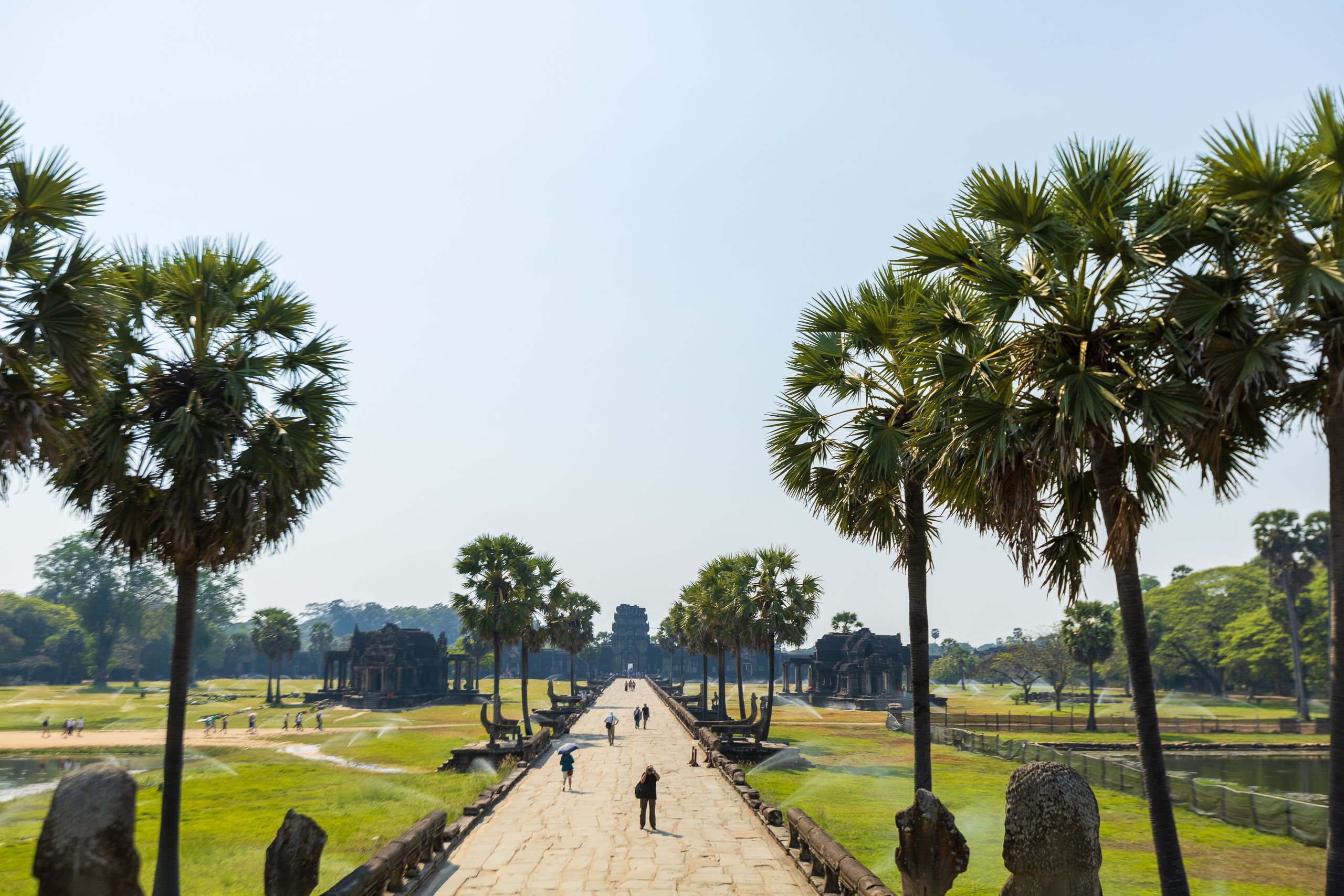
- Cambodia weather stays hot year-round, with annual temperatures averaging 27°C to 30°C and humidity above 70 percent in most regions.
- The dry season runs November to April with clear skies and highs of 26 to 35°C, ideal for exploring temples and countryside.
- Siem Reap weather reaches its peak heat in April, with temperatures climbing to 36 to 38°C before the Cambodia rainy season begins.
- The rainy season spans May to October with annual rainfall between 1,300 and 1,800 mm, though showers typically fall in short afternoon bursts.
- Cambodia weather by month shows consistent patterns: pleasant dry-season mornings, intense midday heat March to May, and predictable wet-season timing for travelers.
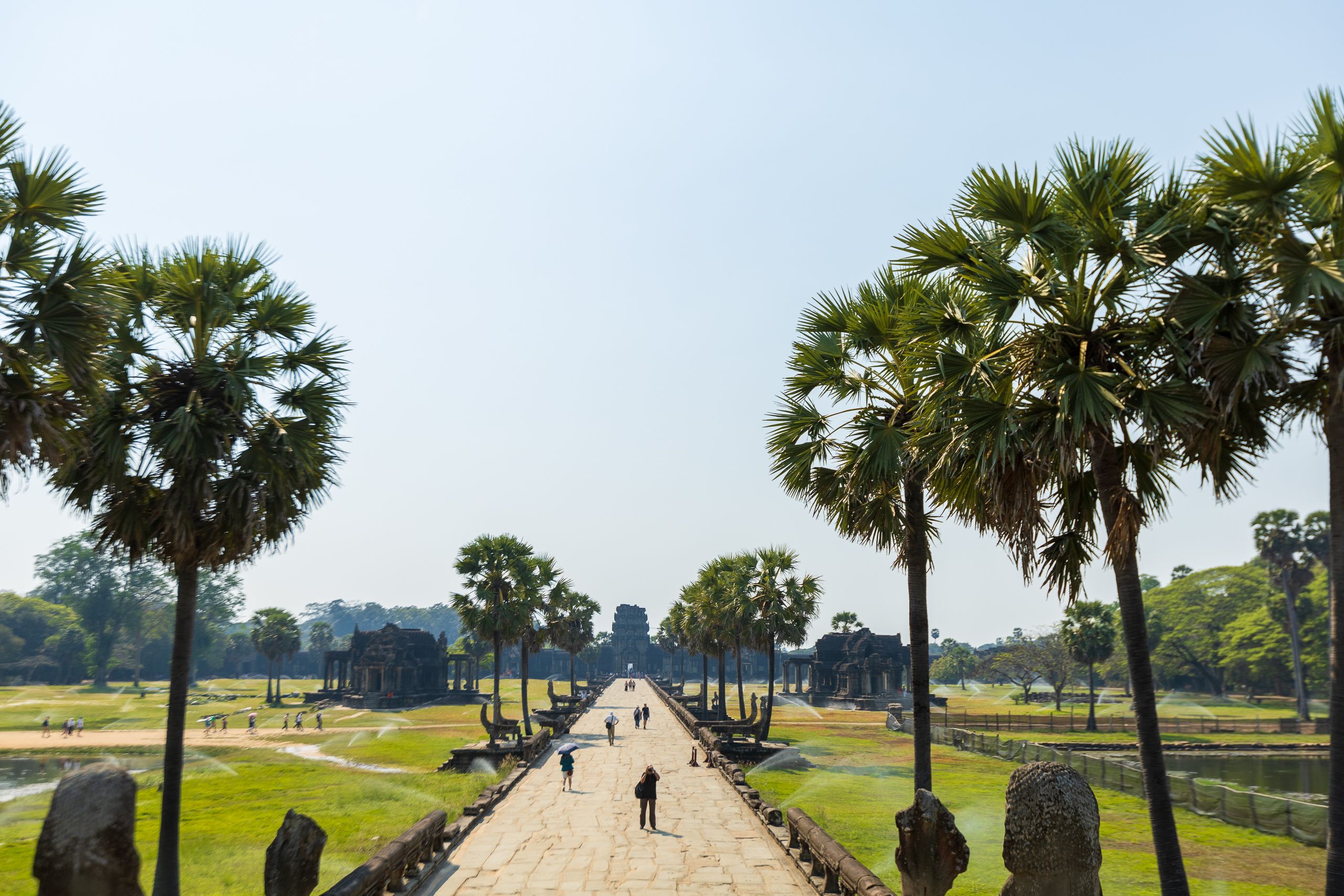
Cambodia weather operates on a tropical monsoon rhythm that keeps temperatures consistently hot year-round, with annual averages between 27°C and 30°C according to World Bank climate data. Two seasons dominate: a dry stretch from November to April when skies stay clear, and a rainy season from May to October when afternoon showers arrive in quick bursts.
Understanding this pattern shapes everything from what you pack to when you visit temples. Whether you're chasing the best weather in Cambodia or planning around the season, knowing these seasonal shifts helps you time your trip right and dress for conditions that rarely dip below comfortable heat.
What Is the Weather in Cambodia Like Overall?
Cambodia weather stays warm and humid through the whole year, shaped by a tropical monsoon climate. The seasons split into two clear patterns: a dry stretch and a wet one.
This rhythm decides when temples bake under clear skies and when rice fields turn green.
The weather in Cambodia follows a few steady traits worth knowing before you pack:
- High temperatures year-round, rarely dropping below 25°C / 77°F
- Strong humidity, often above 70 percent, especially near rivers and lakes
- Two main seasons: a dry season and a rainy season
- Generous sunshine, even during much of the wet months
The annual average temperature in Cambodia sits around 28°C / 82°F, making it a hot destination in every month of the year.
Both seasons feel different on the ground, from how you dress to how you plan your days. Here is a quick comparison to help you picture each one.
| Season | Months | Average Temperature | Rainfall | What It Feels Like for Travelers |
|---|---|---|---|---|
| Dry season | November to April | 26 to 35°C / 79 to 95°F | Low | Clear skies, easy temple visits, hotter toward April |
| Rainy season | May to October | 25 to 33°C / 77 to 91°F | High | Short afternoon downpours, green landscapes, fewer crowds |
The dry season brings the most comfortable conditions for exploring Angkor and the countryside. Mornings stay pleasant, and rain almost never interrupts your plans.
The rainy season looks wetter than it feels in practice. Showers arrive in short bursts, usually late afternoon, then clear quickly.
Each season rewards a different kind of traveler. Knowing the pattern lets you choose dates that match your pace and your reason for coming.
How Hot Does It Get? Temperatures Across Cambodia?
Heat shapes every choice in Cambodia, from your morning wake-up to your afternoon rest. The numbers below give you a clear sense of what to expect across the year.
What Are the Average, High, and Low Temperatures?
Cambodia stays warm and stable, with daily highs that rarely cool off much at night. The annual average sits near 28°C / 82°F, according to the World Bank Climate Knowledge Portal.
Daytime highs usually reach 32 to 35°C / 90 to 95°F across most months. Nighttime lows settle around 22 to 25°C / 72 to 77°F, even in the cooler stretch.
This narrow range means you pack light clothing year-round, with little need for warm layers.
Here are the key temperature markers to keep in mind:
- Annual average: about 28°C / 82°F
- Hot season peak (April): highs of 36 to 38°C / 97 to 100°F
- Cool season low (December to January): nights near 20 to 22°C / 68 to 72°F
When Is the Hottest Time of Year?
The hottest stretch runs from March to May, just before the rains arrive. Skies stay clear, humidity builds, and the sun beats down with little relief through the afternoon.
April marks the peak of this heat. Highs in Siem Reap and Phnom Penh climb into the high 30s, and the air feels heavy by midday.
The lack of cloud cover during these months lets temperatures rise quickly after sunrise. Many travelers shift their temple visits to early morning to dodge the strongest heat.
April is the hottest month in Cambodia, with daytime highs that can top 38°C / 100°F.
Plan accordingly if you visit in spring. Start before dawn, rest through the early afternoon, and save energy for cooler evening hours.
This pattern holds across the country, though river and lake areas can feel even more humid. The heat is steady, predictable, and easy to manage with a little timing.
When Is Cambodia's Rainy Season?
Cambodia's rainy season runs from May to October, driven by the southwest monsoon. Warm winds sweep moisture inland from the ocean, releasing it as heavy bursts of rain.
These downpours hit hard but rarely linger. The Asian Development Bank's climate profile explains how this monsoon shapes the wet half of the year.
The season builds and fades in a clear arc across the months:
- May: rain returns gently, with scattered afternoon showers and rising humidity
- June to July: storms grow more frequent, though sunny mornings stay common
- August: rainfall climbs, and downpours feel heavier and more regular
- September to October: the peak arrives, with the wettest days and occasional flooding near rivers
- Late October: the monsoon retreats, and dry days slowly take over
Each month carries its own rhythm of rain. The table below shows how the wet season unfolds for travelers planning their dates.
| Month | Rainfall | Rainy Days | What It Feels Like |
|---|---|---|---|
| May | 130 mm / 5.1 in | 13 | Warm, with brief showers |
| June | 155 mm / 6.1 in | 16 | Sunny mornings, wet afternoons |
| July | 160 mm / 6.3 in | 17 | Steady showers, lush views |
| August | 175 mm / 6.9 in | 18 | Heavier rain, green countryside |
| September | 250 mm / 9.8 in | 20 | Wettest stretch, dramatic skies |
| October | 240 mm / 9.4 in | 19 | Frequent rain, fewer crowds |
Rainfall peaks in September and October, when the Tonlé Sap swells and rice fields glow green. These months bring the strongest storms but also the quietest temples.
For most travelers, the wet season feels easier than the numbers suggest.
Rain in Cambodia usually falls in the late afternoon, in short, intense bursts. Mornings stay bright, leaving long sunny stretches to explore Angkor before the sky opens.
What Is the Weather in Cambodia by Month?
Reading the weather in Cambodia month by month makes choosing your 2026 dates simple. Each month carries its own balance of heat, rain, and sunshine.
This breakdown helps you match your trip to your comfort and your plans.
Here is a full year of Cambodia weather by month, with the numbers that matter most:
| Month | Avg Temp | Rainfall | Sunshine Hours/Day | Humidity |
|---|---|---|---|---|
| January | 26°C / 79°F | 10 mm / 0.4 in | 9 | 68% |
| February | 28°C / 82°F | 10 mm / 0.4 in | 9 | 66% |
| March | 29°C / 84°F | 35 mm / 1.4 in | 9 | 67% |
| April | 30°C / 86°F | 75 mm / 3.0 in | 8 | 70% |
| May | 30°C / 86°F | 130 mm / 5.1 in | 7 | 75% |
| June | 29°C / 84°F | 155 mm / 6.1 in | 6 | 78% |
| July | 28°C / 82°F | 160 mm / 6.3 in | 6 | 79% |
| August | 28°C / 82°F | 175 mm / 6.9 in | 6 | 80% |
| September | 28°C / 82°F | 250 mm / 9.8 in | 5 | 82% |
| October | 27°C / 81°F | 240 mm / 9.4 in | 6 | 81% |
| November | 27°C / 81°F | 75 mm / 3.0 in | 8 | 74% |
| December | 26°C / 79°F | 20 mm / 0.8 in | 9 | 70% |
A few months stand out when you scan the year as a whole:
- Driest month: January, with around 10 mm / 0.4 in of rain
- Wettest month: September, with 250 mm / 9.8 in
- Hottest month: April, with highs that climb toward 38°C / 100°F
- Most comfortable month: December, with mild nights and clear skies
Which Months Are the Driest and Most Comfortable?
The stretch from November to February gives Cambodia its kindest weather. Days hover near 26 to 30°C / 79 to 86°F, while humidity drops into the high 60s.
Nights cool to 20 to 22°C / 68 to 72°F, easing the heat after sunset. Rain stays rare, so your days unfold without interruption.
These months explain why most travelers aim for this window.
Here is what makes November to February ideal for exploring:
- Clear skies that frame sunrise over Angkor Wat
- Lower humidity that makes walking the temples easier
- Daytime warmth without the spring heat of April
- Dry paths and bright light for photography across the ruins
How Does the Weather Vary by Region and City?
Cambodia weather shifts subtly between its main destinations: Phnom Penh, Siem Reap, and the southern coast. Inland cities run hotter and drier, while the coast feels the steady pull of the sea.
These differences are small but worth knowing when you plan where to spend your days.
Here is how the three regions compare across the year:
| City / Region | Average Temperature | Annual Rainfall | Climate Feature |
|---|---|---|---|
| Phnom Penh | 28°C / 82°F | 1,400 mm / 55 in | Hot, humid, river-warmed evenings |
| Siem Reap | 28°C / 82°F | 1,450 mm / 57 in | Dry winters, intense April heat near Angkor |
| Sihanoukville / Koh Rong | 27°C / 81°F | 3,500 mm / 138 in | Sea breezes, much heavier rainfall |
What Is Siem Reap Weather Like for Visiting Angkor?
Siem Reap weather rewards early starts, especially when exploring the temples on foot. Mornings stay cool and bright, while midday heat builds fast from March to May.
The November to February window offers the gentlest conditions for long days among the ruins. Rainy season afternoons bring short downpours, leaving sunrise and morning hours clear.
A few habits make temple visits easier whatever the season:
- Reach Angkor before sunrise in the hot months, then rest by midday
- Carry a light rain jacket from May to October for afternoon showers
- Drink water often, since humidity drains energy faster than the heat suggests
How Is the Coastal Weather Different?
The coast near Sihanoukville and Koh Rong feels the ocean's influence in every season. Sea breezes soften the heat, yet rainfall climbs far higher than inland, especially from June to October.
Beach days shine brightest from November to April, when seas calm and skies clear. Wet months bring choppier water and heavier, longer rain than Siem Reap or Phnom Penh.
Keep these coastal traits in mind when timing a beach stretch:
- Steady afternoon sea breezes that ease the humidity
- Rougher water and reduced ferry crossings during peak wet months
- Calmest seas and clearest beach weather between December and March
Once you have matched a region to your travel dates, the next question is where to rest each evening. For a quiet base near the temples, the garden retreat at Villa Agati in Siem Reap sets you steps from Angkor with cool mornings to spare.
How Humid and Sunny Is Cambodia?
Humidity and sunshine shape how the heat actually feels on your skin. Both follow the seasons closely, so knowing them helps you plan your hours outdoors.
What Are the Typical Humidity Levels?
Humidity in Cambodia stays high all year, rarely dropping below 65 percent. The dry season holds the lowest readings, often near 66 to 70 percent through December and February.
The wet season pushes moisture sharply upward, climbing into the high 70s and low 80s. Annual averages settle around 75 percent, blending the two halves of the year.
This steady dampness explains why mornings feel fresher than humid afternoons near the rivers.
Humidity can top 80 percent during the rainy season, making 30°C / 86°F feel several degrees hotter on your skin.
How Many Hours of Sunshine Can You Expect?
Cambodia stays generous with daylight, even through much of the wet season. The dry months deliver eight to nine hours of sun each day, with January and February at their brightest.
Rainy months trim that figure, dropping to five or six hours as clouds gather by afternoon. September sees the least sun, around five hours daily, when storms run heaviest.
Across the full year, daily sunshine averages roughly seven hours.
Here are the sunshine markers worth tracking before you book:
- Peak sunshine: November to February, with eight to nine hours per day
- Lowest sunshine: September, with about five hours per day
- Annual daily average: around seven hours of sun
These bright morning stretches give you plenty of time to explore before any rain arrives.
When Is the Best Time to Visit Cambodia?
The best time to visit Cambodia depends on what you came for, and the data above points clearly to the answer for most travelers. November to February brings clear skies, mild nights, and rare rain across the country.
This window suits first-timers who want easy temple days and calm coastal beaches.
Match your dates to your goal with these three windows:
- Best overall: November to February, for dry skies and gentle heat across Angkor and the coast
- Best for small budgets: the rainy season, May to October, when prices drop and crowds thin
- Best for green landscapes: September to October, when rice fields glow and the Tonlé Sap swells
Each window rewards a different traveler, but the dry months remain the safest bet for a relaxed first trip.
If you settle on those cooler dry-season weeks, securing a quiet base early matters most, and the garden rooms at Villa Agati near Angkor fill quickly for that stretch.
For a comfortable first trip, aim for the dry season between November and February.
Frequently Asked Questions about cambodia weather
What is the Cambodia weather like year-round?
Cambodia weather stays hot and humid throughout the year due to its tropical monsoon climate. Annual temperatures average between 27°C and 30°C, with humidity above 70 percent in most regions. The weather in Cambodia follows two main seasons: a dry season from November to April with clear skies and temperatures ranging from 26 to 35°C, and a rainy season from May to October with afternoon showers and rainfall between 1,300 and 1,800 mm annually.
When is the best time to visit Cambodia based on weather?
The dry season, running from November to April, offers the best conditions for visiting Cambodia. During this period, Cambodia weather features clear skies, comfortable mornings, and low rainfall, making it ideal for exploring temples and the countryside. However, April sees peak heat with temperatures reaching 36 to 38°C, so many travelers prefer the cooler months of November to March for their visit.
What is Siem Reap weather like compared to other regions?
Siem Reap weather follows the same tropical monsoon patterns as the rest of Cambodia, with hot temperatures year-round and two distinct seasons. Siem Reap weather reaches its peak heat in April, with temperatures climbing to 36 to 38°C before the Cambodia rainy season begins in May. Like other regions, Siem Reap experiences high humidity and afternoon showers during the wet season from May to October.
How much rain falls during the Cambodia rainy season?
The Cambodia rainy season spans from May to October, with annual rainfall between 1,300 and 1,800 mm. Despite these numbers, the Cambodia rainy season feels less intense than it sounds because showers typically fall in short afternoon bursts that clear quickly. Morning hours remain mostly dry, allowing travelers to explore early in the day and adjust plans around predictable wet-season timing.
What does Cambodia weather by month look like?
Cambodia weather by month shows consistent patterns across the year. From November to April, expect pleasant dry-season mornings with clear skies and low rainfall. March to May brings intense midday heat, with April reaching peak temperatures of 36 to 38°C. May to October marks the predictable rainy season with afternoon showers. Nighttime temperatures stay relatively cool year-round, ranging from 20 to 25°C, even during the hottest months.
What temperatures should I expect in Cambodia?
Daytime highs in Cambodia typically reach 32 to 35°C across most months, while nighttime lows settle around 22 to 25°C. The annual average temperature sits around 28°C. The hottest period occurs in April with highs of 36 to 38°C, while the coolest nights happen in December and January, dropping to 20 to 22°C. This narrow temperature range means you can pack light clothing year-round with minimal need for warm layers.