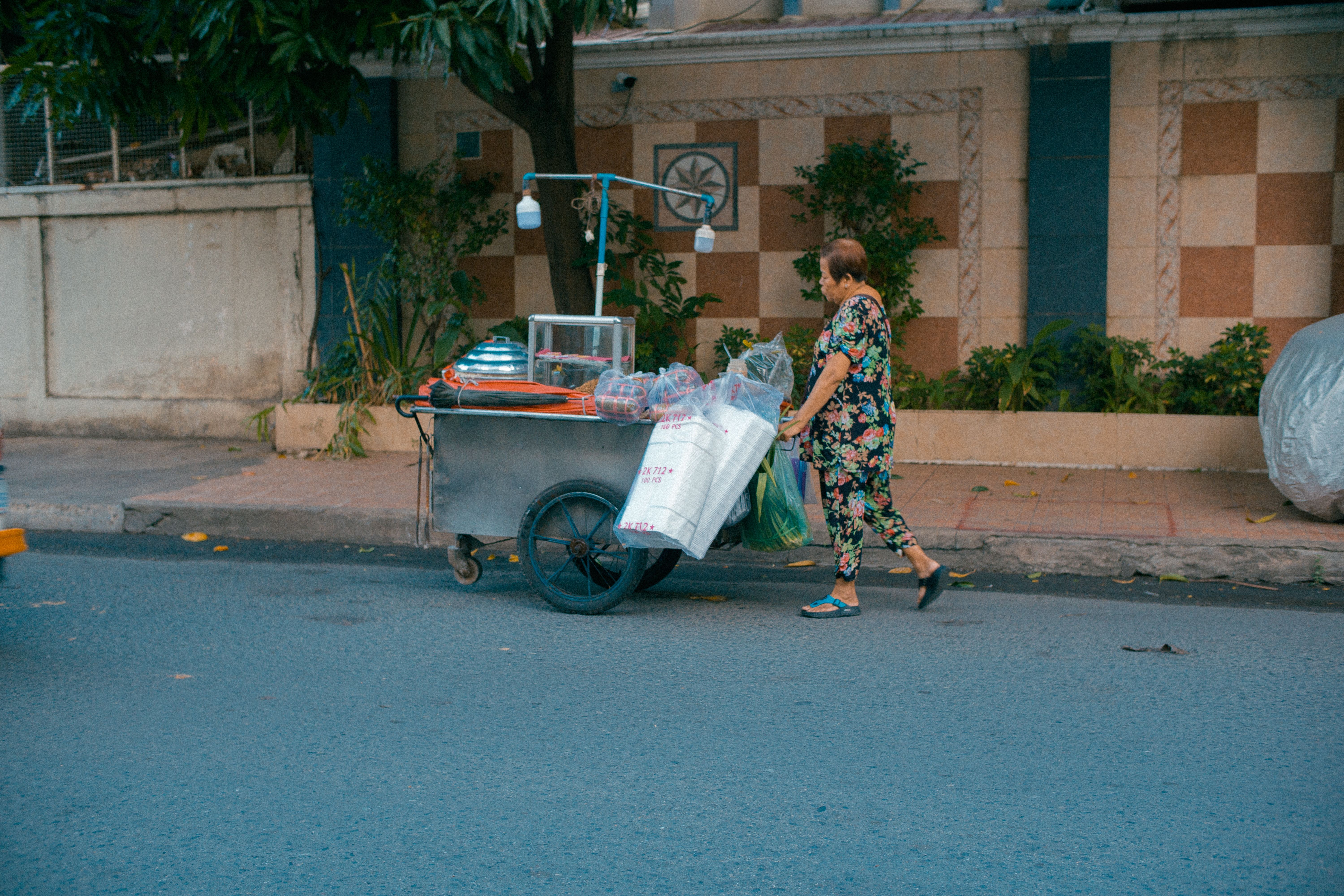
- Cambodian street food costs 50 cents to two dollars per plate, staying under five dollars for a full evening of grazing across multiple stalls.
- Fermented fish paste and locally sourced ingredients like lemongrass, galangal, and kaffir lime define the quiet, earthy backbone of khmer food.
- The Tonlé Sap fishery supplies bulk protein for Cambodia's beloved street and home cooking through seasonal catches and fermentation traditions.
- Best Cambodian street food dishes span noodle soups, grilled skewers, and rice cakes, each tied to different times of day and local markets.
- Top 10 cambodian dishes balance flavors gentler than Thai cooking, with deeper earthiness reflecting river resources and daily Khmer culture.
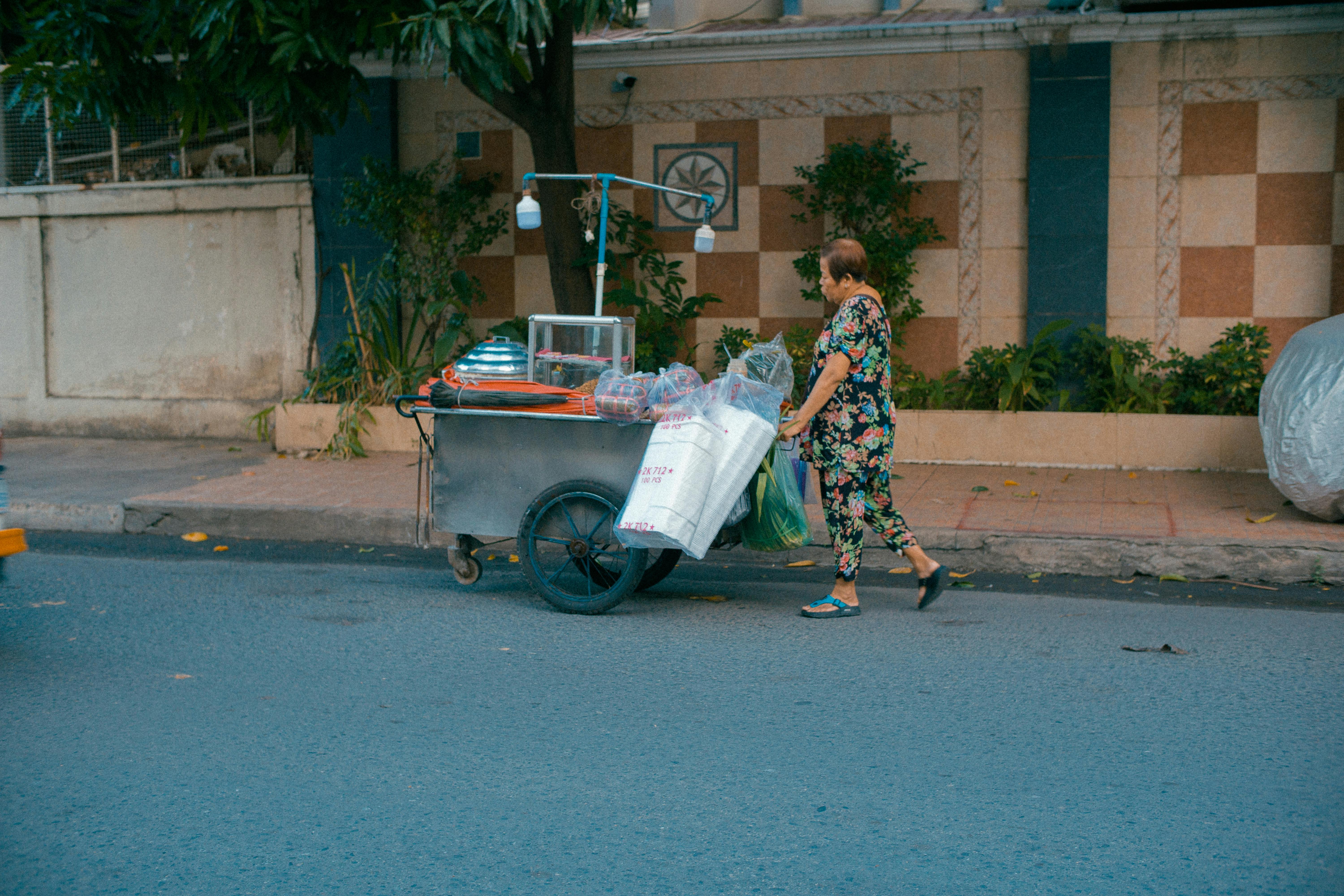
Cambodian street food draws millions of visitors annually to markets and roadside stalls across the country. In 2024, Cambodia welcomed 6.7 million international visitors, up 8 percent since 2018, many seeking authentic flavors cooked on open flames and served on plastic stools. The appeal is simple: grilled fish, noodle soups, and rice cakes infused with coconut and palm sugar cost mere dollars but reveal the soul of Khmer cooking.
Traditional Cambodian food balances sour, salty, sweet, and bitter through fermented fish pastes, lemongrass, and lake-fresh catches that tell stories of the Mekong and Tonlé Sap. Eating street food this way connects you directly to how Cambodians themselves eat, learn, and gather every day.
What makes Cambodian street food so special?
Cambodian street food turns a simple roadside stall into the heart of Khmer culture. You eat where locals eat, paying coins for plates packed with flavor.
The food tells the story of a country shaped by rivers, rice fields, and patient cooks.
Authenticity lives on the street, not in the restaurant. Vendors grill, ladle, and wrap dishes their grandmothers taught them. Each portion carries herbs picked that morning and fish pulled from the Tonlé Sap.
What sets cambodian street food apart comes down to a few simple truths:
- Low prices that rarely climb past two dollars a plate
- Ingredients bought fresh from the market hours before cooking
- Wide variety, from grilled skewers to noodle soups to sweet rice cakes
- Local produce: lemongrass, kaffir lime, palm sugar, river fish
- Immersive evenings at night markets, where steam and chatter fill the air
The markets reward curiosity. You point at a bubbling pot, hand over a folded bill, and taste something you cannot name yet. That moment, shared with the vendor's smile, becomes the trip you remember.
Eating this way connects you to daily Khmer life. Office workers, students, and grandparents gather at the same plastic stools. Nobody rushes, and the cook knows half the crowd by name.
Most street dishes in Cambodia cost between 50 cents and two dollars in 2026. A full evening of grazing across several stalls rarely exceeds five dollars per person.
Bring small bills, an open mind, and an empty stomach.
What flavors define traditional Cambodian food?
Khmer cooking balances sour, salty, sweet, and bitter in a single bite. The taste runs gentler than Thai food, with less chili and a deeper earthiness than Vietnamese cooking.
Fermented fish anchors that earthiness, giving traditional Cambodian food its quiet, savory backbone.
The signature ingredients of Khmer cuisine
A handful of ingredients build the flavor of nearly every Khmer dish. Cooks pound them into pastes called kroeung, the aromatic base of curries and grilled meats.
These are the workhorses you taste again and again:
- Lemongrass: brightens kroeung and soups with a citrus edge
- Galangal: adds a peppery, root-like warmth distinct from ginger
- Turmeric: colors curries gold and lends a mild bitterness
- Kaffir lime leaves: sharpen broths with floral zest
- Coconut milk: softens spice and rounds out fish amok
- Palm sugar: balances salt with a smoky caramel sweetness
- Fish sauce: seasons almost everything with salt and depth
- Shrimp paste: concentrates umami into stir-fries and dips
- Prahok: the fermented fish paste at the soul of Khmer cooking
How do local resources shape the cuisine?
Rivers feed the Cambodian table more than any farm. Freshwater fish from the Mekong and the Tonlé Sap fill the daily catch sold at dawn markets.
Cooks turn that catch into prahok, the fermented paste whose deep umami defines Khmer food. The fermentation tradition ties every meal back to the lake and its seasonal floods.
Local palm sugar, lake fish, and morning herbs keep dishes honest and rooted in place.
The Tonlé Sap ranks among the most productive freshwater fisheries on Earth. Its catch supplies the bulk of the protein behind Cambodia's beloved street and home cooking.
What are the best Cambodian street food noodle and soup dishes?
Noodles and soups form the everyday spine of Khmer eating. You find them at breakfast carts, lunch stalls, and night markets across Cambodia.
Three dishes lead the way, each tied to a different time of day.
Lort Cha : Stir-fried rice noodles
Lort Cha cooks fast over a screaming wok. Short, pin-shaped rice noodles fry alongside bean sprouts and Chinese chives. The word "cha" means stir-fried, and the heat gives the noodles a slight char.
Vendors toss in your choice of pork, beef, or chicken, then bind everything with sweet soy and fish sauce. A fried egg often crowns the plate.
Here is what lands in a typical serving:
- Short rice pin noodles
- Bean sprouts and Chinese chives
- Sweet soy sauce and fish sauce
- Pork, beef, or chicken
- A fried egg on top
- Vegetarian version with tofu and extra greens
Num Banh Chok : Fermented rice noodles
Num banh chok is Cambodia's breakfast in a bowl. Soft fermented rice noodles sit under a green fish curry built from lemongrass, turmeric, and kaffir lime. Cooks pile on banana blossom, cucumber, and a handful of raw herbs.
Locals call it Khmer noodles, and many eat it before the morning heat sets in. The cold herbs balance the warm, savory broth.
Regional cooks add their own touch. In Siem Reap, the curry runs richer with extra fish, while Kampot vendors lean on local pepper and a brighter, lighter sauce.
Kuy Teav : Morning rice noodle soup
Kuy teav opens the day for office workers and students alike. A pork or beef bone broth simmers for hours, then pours over flat rice noodles. Vendors serve it from dawn until the pot runs dry, usually by mid-morning.
The bowl arrives plain, and you build the flavor yourself at the table. That ritual of seasoning makes the dish feel personal.
You season and garnish from a small spread set beside you:
- Bean sprouts and fresh herbs
- Sliced pork, beef, or shrimp
- Crispy fried garlic and shallots
- Lime wedges
- Chili paste or sliced fresh chili
- Hoisin and fish sauce on the side
Which grilled and breakfast street foods should you try?
Grilled meats and morning plates anchor the Cambodian street food scene before noon. Two dishes stand out: one smoky and savory, the other a French-inspired sandwich you carry as you walk.
Bai Sach Chrouk : Grilled pork with rice
Bai sach chrouk is the breakfast that wakes up Cambodia. Thin pork slices marinate in coconut milk and garlic, then grill slowly over charcoal until the edges caramelize. The smoke seeps into the meat and gives each bite a sweet, woody depth.
Vendors lay the pork over a mound of broken rice. A side of pickled cucumber, daikon, and a small bowl of clear broth completes the plate.
The acidity of the pickles cuts through the fat. That contrast keeps the dish light enough to eat at dawn.
Bai sach chrouk ranks as Cambodia's most beloved breakfast. Street corners fill with its charcoal smoke from 6 AM, and the best stalls sell out before nine.
Num Pang : The Cambodian sandwich
Num pang carries the mark of French colonial kitchens. The baguette stays light and crisp, a legacy that locals made entirely their own. Cooks split it warm and load it with savory fillings and bright herbs.
You grab one for breakfast or eat it on the move between temples. Each vendor builds the sandwich a little differently, so no two stalls taste alike.
The classic filling layers Khmer flavors against the French bread:
- Pork or chicken liver pâté spread on the crust
- Grilled or roasted pork, sometimes Cambodian sausage
- Fresh cilantro and cucumber slices
- Pickled carrot and daikon for crunch
- A swipe of chili sauce or fresh chili
- A splash of soy or fish sauce for salt
The mix lands somewhere between rich, sour, and sharp. One bite explains why num pang sells faster than any other handheld snack.
Is fish amok really the best Cambodian food to try?
Fish amok stands as Cambodia's national dish, a steamed mousse of freshwater fish folded into coconut curry. The kroeung spice paste binds the whole thing together, giving it a perfume no other Khmer plate matches.
You meet it everywhere, from market stalls to family tables, and it earns its fame in every setting.
A proper amok trey rests on a few precise elements:
- Kroeung: the pounded paste of lemongrass, galangal, and turmeric
- Kaffir lime leaves: shredded fine for floral lift
- Coconut milk: poured in to soften the curry's edge
- Steam cooking: a gentle heat that sets the fish into a custard
- Banana leaf: folded into a bowl that holds and scents the dish
The result feels closer to a savory soufflé than a stew. The fish stays tender, and the curry never turns watery.
Fish amok earns its title as the best Cambodian food for a reason. Its roots reach back to the Khmer Empire, where cooks served it as a royal delicacy built on freshwater fish and a kroeung of lemongrass and galangal. That history sits in every spoonful you taste today.
The dish gathers Khmer cooking into one banana leaf: river fish, garden herbs, and patient heat. Once you taste it warm and freshly steamed, the rest of the menu makes sense.
A morning at the Siem Reap markets, then an afternoon learning to fold the leaf yourself, turns a meal into the heart of a stay at Villa Agati that puts Khmer cooking at the center of your trip.
What are the most adventurous Cambodian street foods?
Some Cambodian street foods test even seasoned travelers. The bravest stalls sell insects, reptiles, and creatures you may have only seen in photographs.
These dishes carry real history, born from lean years and a culture that wastes nothing.
Fried tarantulas from Skuon, the 'Spiderville'
Fried tarantulas crunch on the outside and turn soft toward the legs. Vendors fry the spiders in oil with garlic and salt until the shells crisp and the bodies stay tender inside. The taste lands somewhere between fried chicken skin and soft-shell crab.
You find them in Skuon, a roadside town between Phnom Penh and Siem Reap that locals call Spiderville. Sellers stack the spiders in pyramids and charge 50 cents to one dollar each.
A single fried tarantula packs protein, folic acid, and zinc. What started as survival food during hard years now feeds a steady stream of curious travelers.
Insects, frog and water snake snacks
Insects fill the snack trays at most night markets. Crickets fry up crunchy and nutty, while red ants get tossed into stir-fries for a sour, citrus snap. Frog grills whole on skewers, and water snake from the Tonlé Sap shows up braised or fried with lemongrass.
The textures surprise you more than the flavors. Most of these snacks taste of the oil, garlic, and herbs they cook in.
Here is what the adventurous trays hold:
- Fried crickets: crisp shell, nutty center, salted like popcorn
- Red tree ants: sharp citrus tang, stir-fried with beef and basil
- Grilled frog: lean white meat, charred skin, brushed with lemongrass marinade
- Water snake: firm and mild, braised with garlic and chili
Start small, share a tray, and let the vendor guide your first bite.
Where and when can you find the best Cambodian food?
Timing shapes the street food you taste in Cambodia. Breakfast carts open at dawn, lunch stalls peak at midday, and night markets light up after sunset.
Knowing where each dish lives saves you a wasted walk.
Use this guide to match the craving to the hour and the place:
| Dish | Best time of day | Where to find it |
|---|---|---|
| Bai sach chrouk | 6 AM to 9 AM | Roadside corners, morning markets |
| Kuy teav | Dawn to mid-morning | Phsar Leu, Siem Reap |
| Num banh chok | Early morning | Local markets, village stalls |
| Lort cha | Evening | Siem Reap night markets |
| Num pang | All day | Street carts, near temples |
| Fried tarantulas | Daytime | Skuon, on Route 6 |
Watch where the locals line up. A queue of office workers and students signals fresh food and fair prices.
Most plates cost 50 cents to two dollars in 2026. Carry small riel notes, since vendors rarely break large bills.
Skip stalls with no crowd and cold pots. Steam, chatter, and a busy cook point you to the better plate.
How can you go deeper into Khmer street food in 2026?
Tasting the food is only the first chapter. The deeper pleasure comes from learning where it begins, in the hands of the cooks themselves.
You can turn a single meal into a skill you carry home with you.
A few ways open that door:
- A Khmer cooking class with a local chef, pounding your own kroeung
- A guided night market tour through the steam and chatter of Siem Reap
- A street food walk that lets the vendor pick your next bite
The hardest part is finding a base close enough to wander out at dawn. Stalls open early, sell out fast, and reward those who sleep nearby.
Settle into a Siem Reap stay built around Khmer cooking at Villa Agati in 2026, and the morning markets sit minutes from your door.
Frequently Asked Questions about cambodian street food
What are the best Cambodian street foods to try?
The best Cambodian street food includes noodle soups, grilled fish skewers, rice cakes, and dishes featuring fermented fish paste. Top 10 Cambodian dishes balance sour, salty, sweet, and bitter flavors through ingredients like lemongrass, galangal, kaffir lime, and locally sourced river fish from the Tonlé Sap. Most plates cost between 50 cents and two dollars, making a full evening of grazing across multiple stalls affordable for any budget.
What makes Cambodian street food different from Thai or Vietnamese food?
Cambodian food tastes gentler than Thai cooking with less chili heat, and runs deeper in earthiness compared to Vietnamese dishes. Khmer food relies on fermented fish paste as its savory backbone, creating a quiet umami foundation. Traditional Cambodian food balances sour, salty, sweet, and bitter in single bites through natural ingredients like palm sugar, lake-fresh fish, and aromatic herbs rather than bold spices.
What are the key ingredients that define Khmer food?
Key ingredients in khmer food include lemongrass for citrus brightness, galangal for peppery warmth, turmeric for mild bitterness, kaffir lime leaves for floral zest, and coconut milk for richness. Cooks combine these into pastes called kroeung that form the aromatic base of curries and grilled meats. Fermented fish paste, locally sourced from the Mekong and Tonlé Sap, anchors the flavor of nearly every Cambodian dish.
How do rivers and local resources shape traditional Cambodian food?
Rivers feed the Cambodian table more than any farm. Freshwater fish from the Mekong and Tonlé Sap supply bulk protein for traditional Cambodian food through seasonal catches and fermentation traditions. Cooks turn that catch into prahok, the fermented paste defining Khmer food. Local palm sugar, lake fish, and morning herbs keep dishes honest and rooted in place, connecting every meal back to the water and its seasonal floods.
How much does Cambodian street food cost?
Cambodian street food remains remarkably affordable, with most plates costing between 50 cents and two dollars. A full evening of grazing across multiple stalls at different vendors rarely exceeds five dollars per person. This affordability makes street food the way millions of Cambodians eat daily, with office workers, students, and grandparents gathering at plastic stools to share meals at roadside stalls.
What is fish amok and why is it important to Cambodian cuisine?
Fish amok represents the best Cambodian food, combining fresh river fish with kroeung paste, coconut milk, and aromatic herbs steamed in banana leaves. This dish showcases how traditional Cambodian food transforms Tonlé Sap catches into complex flavors using fermented ingredients and local spices. Fish amok exemplifies khmer food's balance of sour, salty, sweet, and bitter while highlighting the importance of freshwater resources to Cambodia's culinary identity.