- Plan 3 days in Siem Reap to explore Angkor's highlights, watch sunrise, and rest between temple visits without missing major sites.
- Two days suffices for the small and grand circuits if you prioritize temples over cultural experiences like floating villages.
- One day works only for layover travelers; expect 6 to 9 hours on foot covering Angkor Wat, Bayon, and Ta Prohm in a compressed loop.
- Over 1 million annual visitors reach Angkor, making early mornings and advance planning essential to avoid midday crowds and heat fatigue.
- Extend to 4 days if you're a photographer, history enthusiast, or want to combine temples with Tonlé Sap boat rides and night markets.
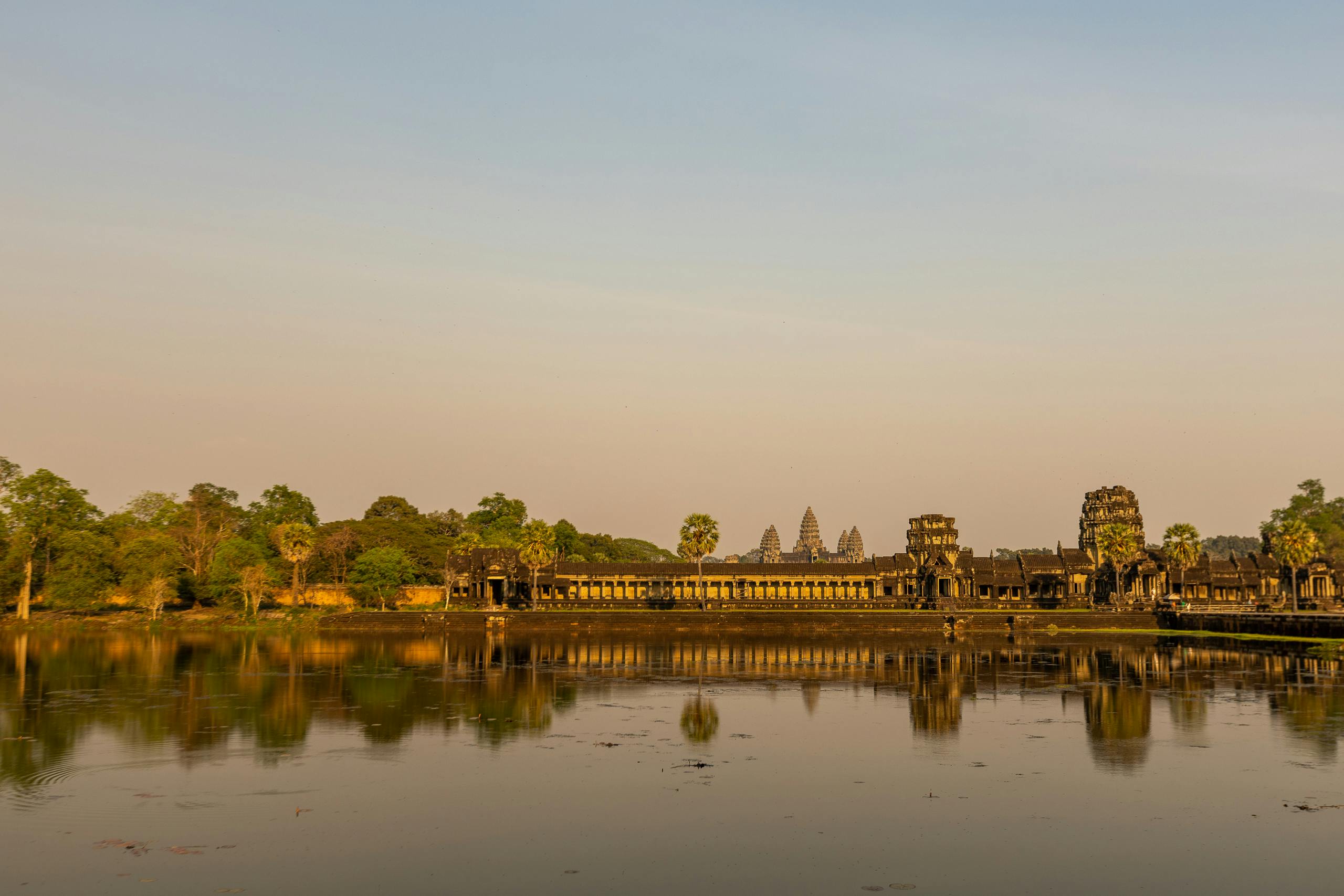
Siem Reap draws over 1 million international visitors annually to Angkor, making timing your visit critical to balance temple exploration with crowd avoidance. Recent data shows the archaeological park welcomed 1.02 million visitors in 2024, underscoring why planning how many days in Siem Reap matters as much as booking your flight.
Most travelers find 3 days strikes the ideal balance: enough time to witness Angkor Wat at sunrise, explore the stone faces of Bayon, and recover during the afternoon heat without feeling rushed. Two days covers the essentials for budget travelers, while a single day forces difficult trade-offs between iconic temples and the slower rhythms that make Siem Reap memorable beyond its ruins.
How Many Days Do You Need in Siem Reap?
Most travelers need 3 days in Siem Reap to see the major temples without rushing. Two days cover the essentials if your time is tight. Four days suit anyone who prefers slow mornings and unhurried exploration.
The right answer depends on your pace, your interests, and how the heat treats you. Temple fatigue is real, and so is the joy of a slow Khmer breakfast before sunrise.
Think of Siem Reap as more than Angkor. The town, the floating villages, and the countryside reward those who stay a little longer.
Most visitors agree that 3 days strikes the best balance: enough time to see Angkor's highlights, watch a sunrise, and still rest in the afternoon heat without feeling like you missed anything.
Here is a quick guide to match your trip length with what you can realistically experience.
| Duration | What you see | Best for |
|---|---|---|
| 1 day | Angkor Wat, Bayon, Ta Prohm (the "small circuit") | Layover travelers or a side trip from elsewhere |
| 2 days | Small circuit plus the "grand circuit" and a sunrise | Couples on a fast Southeast Asia route |
| 3 days | All major temples, Banteay Srei, plus town and markets | First-time visitors wanting depth without burnout |
| 4 days | Everything above plus Tonlé Sap, countryside, and rest | Families and slow travelers who value immersion |
Your interests shift the math too. Photographers and history lovers lean toward 3 or 4 days. Beach-bound travelers passing through often stretch a single full day into something memorable.
Plan for the season as well. In the dry months, midday heat pushes you indoors, so longer stays let you visit temples in cooler light.
What to Do with Just 1 Day in Siem Reap?
One day works if you have a layover, a strict budget, or a single window between flights. You can still stand inside Angkor Wat at dawn and walk three of the most famous temples. It asks for an early start and a willingness to keep moving.
The Essential Small Circuit Route?
The Small Circuit links the headline temples in a tight loop you can cover in a single day. It threads Angkor Wat, the walled city of Angkor Thom, the stone faces of Bayon, and the root-wrapped ruins of Ta Prohm.
Here is how the day unfolds with realistic timing:
- 4:30 AM: the tuk-tuk picks you up at your hotel for the drive to Angkor Wat.
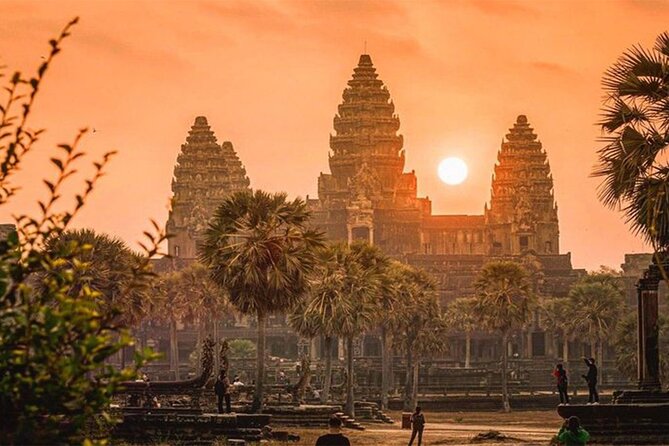
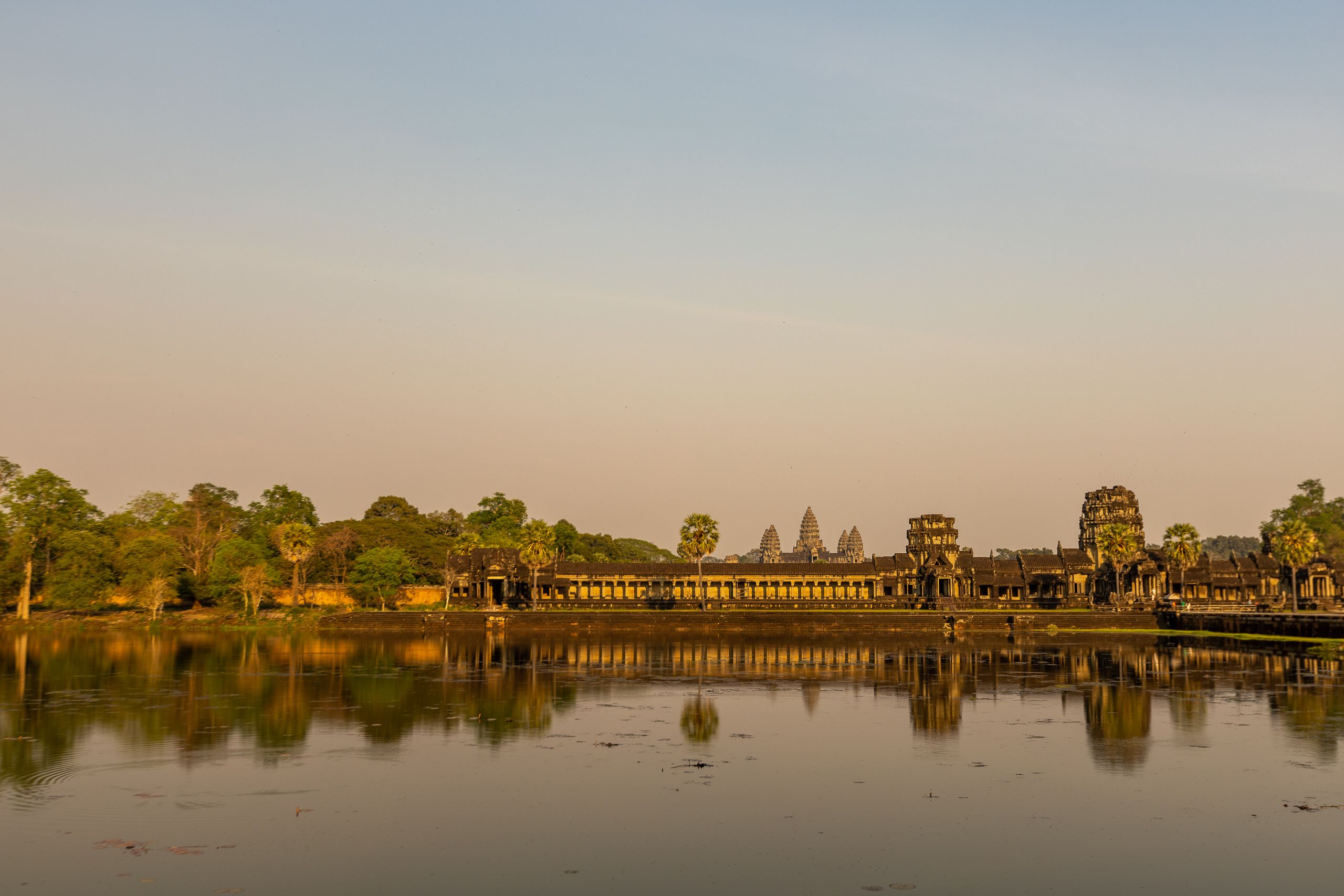
- 5:30 AM: claim a spot by the reflecting pool for sunrise.
- 7:00 AM: explore Angkor Wat's galleries before the crowds thicken.
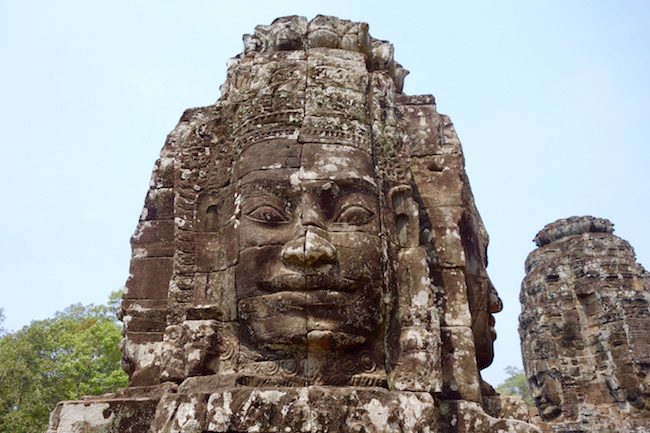
- 9:00 AM: enter Angkor Thom and the smiling faces of Bayon.
- 11:00 AM: wander Ta Prohm, where fig roots swallow the stone.
- 1:00 PM: return for lunch and shade as the heat peaks.
Plan for 6 to 9 hours on your feet, and leave before dawn. Arriving in the dark beats the tour buses to the sunrise pool by a full hour.
Is One Day Enough to See Angkor?
One day shows you the icons, but the pace stays brisk. The UNESCO World Heritage site, inscribed in 1992, spans hundreds of temples across 400 square kilometers. You simply cannot reach them all in a single visit.
A one-day plan forces real trade-offs:
- Banteay Srei, the pink sandstone temple an hour north
- A sunset boat on Tonlé Sap lake
- Pub Street and the night markets after dark
- Any afternoon rest between temples
Is 2 Days in Siem Reap the Right Choice?
Two days in Siem Reap let you slow down and reach beyond the icons. You add the Grand Circuit and a Tonlé Sap boat ride to the headline temples. This pace suits couples and small families who want depth without a packed schedule.
Day 1 - Small Circuit and Sunrise?
Your first morning mirrors the classic loop, starting with sunrise over Angkor Wat. From there you cross into Angkor Thom and stand beneath Bayon's 216 carved faces. Baphuon and root-tangled Ta Prohm round out an afternoon of stone and shade.
Here is how the first day flows with realistic timing:
- 4:30 AM: the tuk-tuk collects you for the dawn drive to Angkor Wat.
- 5:30 AM: settle by the reflecting pool for first light.
- 7:00 AM: walk Angkor Wat's galleries (about 90 minutes).
- 9:00 AM: enter Angkor Thom and Bayon (about 75 minutes).
- 10:30 AM: climb Baphuon and explore the terraces (about 45 minutes).
- 12:00 PM: lose yourself in Ta Prohm (about 60 minutes).
- 1:30 PM: return for lunch and rest as the heat peaks.
Day 2 - Grand Circuit and Tonlé Sap?
The second day swaps crowds for quieter ruins on the Grand Circuit. You linger at Banteay Kdei, then drive south as the afternoon cools. The day closes on Tonlé Sap lake, where stilted homes float above the water.
These are the moments that define day two:
- Preah Khan, Neak Pean, and Ta Som on the Grand Circuit
- The serene corridors of Banteay Kdei, often nearly empty
- A boat cruise through a Tonlé Sap floating village
- Sunset over the largest freshwater lake in Southeast Asia
Time your Tonlé Sap visit for late afternoon, around 4:00 PM. The light turns gold, the heat eases, and the sunset arrives just as you reach the open water.
Why 3 Days in Siem Reap Is the Sweet Spot?
Three days give you the full sweep of Angkor without the rush. You cover the headline temples, the quieter Grand Circuit, and the distant gems that day-trippers skip. The APSARA National Authority, which manages the park, oversees hundreds of monuments across the protected zone.
A three-day pass unlocks that range at a comfortable pace. You earn slow mornings, shaded lunches, and time for the town itself.
If you want those unhurried afternoons close to the temples, our air-conditioned rooms a short ride from the Angkor ticket gate put you within reach of every dawn start.
Day 3 - Banteay Srei and Beng Mealea?
The third day reaches the temples that sit beyond the main loops. Banteay Srei wears pink sandstone carved so finely it looks like lacework. Beng Mealea lies half-swallowed by jungle, its corridors collapsed into mossy heaps.
Here is how day three unfolds with travel times from Siem Reap:
- 7:30 AM: the tuk-tuk or car leaves for Banteay Srei, about 37 km north (one hour).
- 8:30 AM: walk the carved galleries before the tour groups arrive (about 60 minutes).
- 10:00 AM: drive to Beng Mealea, roughly 40 km east (one hour).
- 11:00 AM: clamber through the jungle ruins (about 90 minutes).
- 1:00 PM: lunch at a roadside stall near the temple.
- 3:00 PM: return to Siem Reap (about 70 km, ninety minutes).
What Makes This 3-Day Itinerary Complete?
This itinerary balances the famous with the far-flung. You see the major temples on day one, the quiet Grand Circuit on day two, and the remote sites on day three. Nothing feels rushed, and the local town still gets its share.
By the end, you have stood inside every monument that defines a first visit:
- Angkor Wat at sunrise
- Bayon and its carved faces
- Ta Prohm and its strangler figs
- The Terrace of the Elephants
- The Terrace of the Leper King
- Banteay Srei's pink sandstone reliefs
Three days leave room for markets, a massage, and a slow Khmer dinner.
Should You Add a 4th Day to Your Siem Reap Itinerary?
A fourth day shifts your trip from sightseeing to living. You trade dawn alarms for slow coffee and afternoons without a temple gate in sight. This is the rhythm for travelers who want Siem Reap to breathe, not blur past.
By day four, temple fatigue has likely set in. Your legs ask for rest, and your eyes have absorbed centuries of stone. The town itself rewards the pause with museums, markets, and quiet local corners.
Here is what a fourth day opens up:
- The Angkor National Museum, where context brings the ruins you walked into focus
- Phare, the Cambodian Circus, a live show blending acrobatics and Khmer storytelling
- Local markets like Psar Chas, for fresh fruit, spices, and handmade crafts
- Pub Street and the night markets after dark, for street food and cold drinks
- A long Khmer massage or spa afternoon to soothe four days of walking
The Angkor National Museum deserves a full morning. Its galleries explain the kings, the carvings, and the Hindu and Buddhist symbols you saw across the park. You leave understanding what the stones were trying to say.
Evenings belong to Phare. Young performers from disadvantaged backgrounds turn personal stories into circus, and your ticket funds their training. The energy lingers long after the lights come up.
Best for: slow travelers, families with children, and anyone combining culture with genuine rest. If your ideal trip pairs deep immersion with unhurried afternoons, the fourth day earns its place.
1 Day or 3 Days: How to Decide Your Stay?
Your ideal stay comes down to three things: your love of history, your budget for Angkor passes, and how you handle heat and crowds. Match those honestly, and the right number of days reveals itself.
This comparison weighs the trade-offs of each length so you can choose with clear eyes.
| Duration | Upside | Downside | Pass cost | Energy needed |
|---|---|---|---|---|
| 1 day | Lowest cost, fits a layover | Brisk pace, no rest, icons only | $37 (1-day) | High: 6 to 9 hours on your feet |
| 2 days | Adds Grand Circuit and Tonlé Sap | Town and remote temples skipped | $62 (3-day, valid 10 days) | Moderate to high |
| 3 days | Full sweep, slow afternoons | More planning, higher total spend | $62 (3-day, valid 10 days) | Moderate, with built-in rest |
| 4 days | Culture plus genuine rest | Extra lodging cost, temple fatigue risk | $72 (7-day, valid one month) | Low: leisurely pace |
Before you book, run through these questions to find your fit:
- How much do you love history? Carving-by-carving explorers thrive on 3 or 4 days; icon-spotters do well in 1 or 2.
- What is your Angkor pass budget? The 1-day and 3-day passes cost nearly the same, so two or three days often deliver better value per dollar.
- How do you handle heat and crowds? Low tolerance favors longer stays with midday rest and early starts that beat the buses.
When Is the Best Time to Visit Siem Reap?
Siem Reap splits into two clear seasons: the dry months from November to April and the rains from May to October. The dry season brings cooler air and easy temple access. The wet season fills the Tonlé Sap and turns the countryside green.
Each season changes the heat you face, the lake levels, and how many travelers share the temples with you.
| Months | Weather | Tonlé Sap level | Crowds |
|---|---|---|---|
| Nov-Feb | Cool, dry, 24-30°C | High and full | Peak season |
| Mar-Apr | Hot, dry, 35-40°C | Dropping | Moderate |
| May-Aug | Warm, short rains, 28-33°C | Rising | Low |
| Sep-Oct | Wet, frequent rain, 27-32°C | Highest | Lowest |
The dry months reward early starts before midday heat builds. The wet months trade humidity for emptier galleries and dramatic reflections in flooded moats.
Plan around your priorities. Photographers love the green wet-season light, while temple-focused travelers prefer the dry comfort of December.
For the best balance, visit in December or January: temperatures stay cool, the Tonlé Sap runs full, and the temples glow under clear skies.
What Practical Tips Improve Your Siem Reap Itinerary?
Smart timing turns any visit into a calm one. These habits work whether you plan 2 days in Siem Reap or a full week.
How to Beat the Crowds and Heat?
A few choices keep you ahead of the buses and the midday sun:
- Start before sunrise and rest from noon to 3 PM
- Carry two liters of water and refill at temple stalls
- Wear light cotton, a hat, and shoulder-covering sleeves for temples
- Reverse the standard loop: visit popular temples late afternoon
Light shapes the photos. Shoot Angkor Wat at dawn for soft reflections, then catch Pre Rup or Phnom Bakheng for warm sunset tones.
Logistics, Stay and On-Site Amenities?
A central base shortens transfers and frees more hours for temples. Match your itinerary to your stay: travelers wanting unhurried mornings often choose a quiet retreat like the garden rooms and pool at Villa Agati.
Along the circuits you will find practical support:
- Restaurants and cold-drink stalls beside major temples
- The Angkor Pass office near the ticket checkpoint
- Tuk-tuk drivers who wait between each stop
Frequently Asked Questions about how many days in siem reap
How many days in Siem Reap do I need to see all the temples?
Most travelers need 3 days in Siem Reap to explore Angkor's major temples without rushing. This duration allows you to witness Angkor Wat at sunrise, visit Bayon and Ta Prohm, recover during afternoon heat, and still feel you haven't missed the highlights. Two days suffices for the essential small and grand circuits, while one day works only for layover travelers willing to spend 6 to 9 hours on foot.
Is 2 days in Siem Reap enough to see Angkor?
Yes, 2 days in Siem Reap covers the essentials if you prioritize temples over other activities. This timeframe lets you complete both the small circuit and grand circuit with a sunrise visit, making it ideal for budget travelers or those on tight schedules. However, you'll need to skip cultural experiences like floating villages and afternoon rest periods to fit everything in.
What can I do in 3 days in Siem Reap?
With 3 days in Siem Reap, you can watch Angkor Wat at sunrise, explore Bayon's stone faces, visit Ta Prohm, rest during the afternoon heat, and still have time for additional activities. This duration is considered ideal as it balances temple exploration with cultural experiences. A 3 days in Siem Reap itinerary typically includes sunrise viewing, two full temple exploration days, and time for the town itself or nearby attractions.
What to do in Siem Reap besides temples?
Beyond Angkor, Siem Reap offers Tonlé Sap boat rides through floating villages, night markets on Pub Street, Khmer cultural experiences, and countryside exploration. Photographers and history enthusiasts typically extend to 4 days to combine temple visits with these cultural activities. The town itself rewards slower exploration with local markets, cafes, and traditional Khmer dining experiences that complement your Siem Reap itinerary.
Can I visit Siem Reap in just 1 day?
One day in Siem Reap works only for layover travelers or those on extremely tight budgets. You can visit Angkor Wat at sunrise and complete the small circuit including Angkor Thom, Bayon, and Ta Prohm, but expect 6 to 9 hours on your feet. This compressed schedule forces difficult trade-offs between iconic temples and memorable experiences, making it unsuitable for a first-time visit.
How should I plan my Siem Reap itinerary for 4 days?
A 4-day Siem Reap itinerary suits photographers, history enthusiasts, and those wanting to combine temples with cultural experiences. This extended timeframe allows you to explore Angkor comprehensively, including Banteay Srei and other remote temples, take a sunset boat on Tonlé Sap, visit floating villages, and enjoy night markets without exhaustion. Four days provides the leisure to absorb the destination's layered history and living culture beyond just the archaeological park.