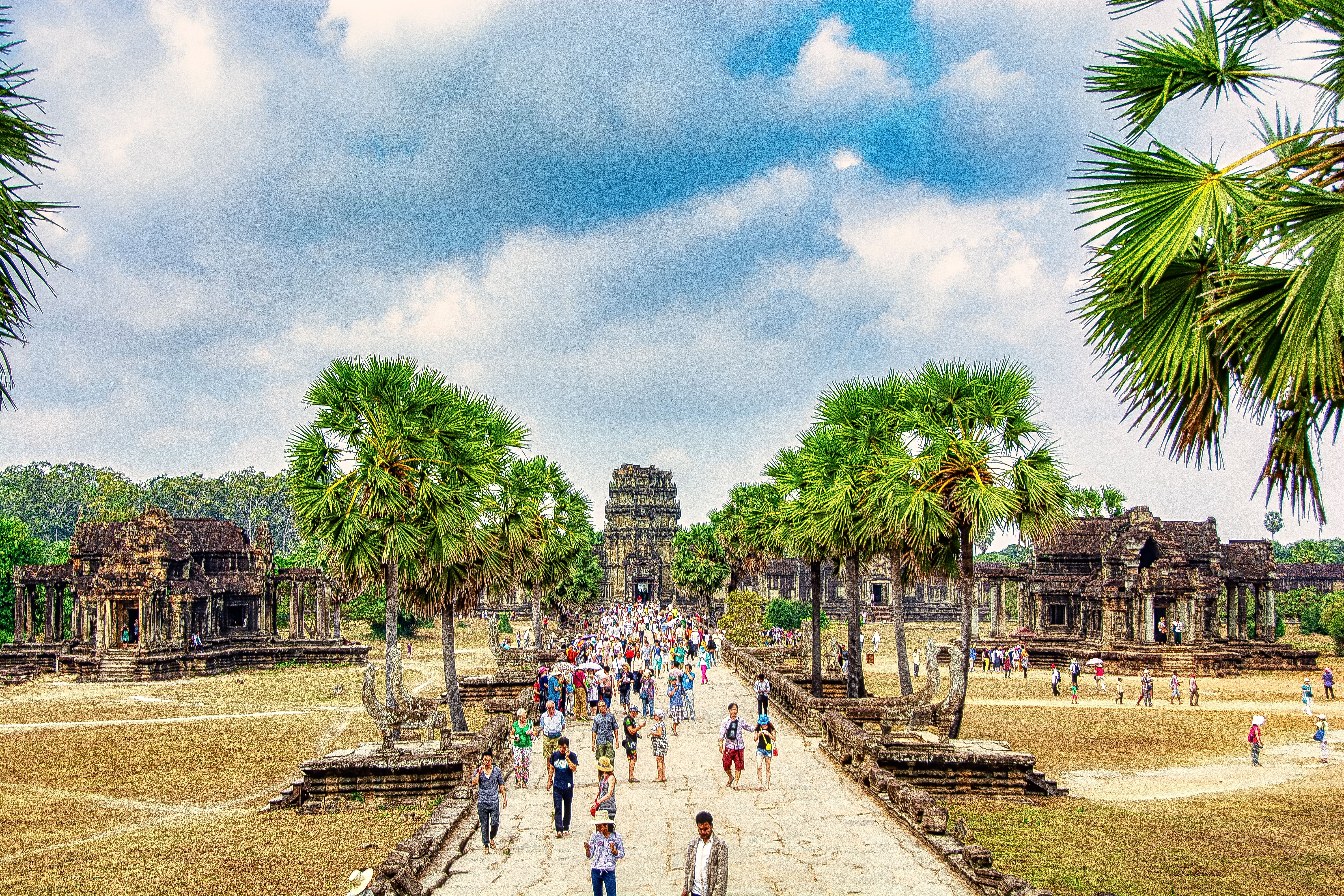
- Is Siem Reap safe right now? Yes: violent crime against tourists is rare, petty theft is the primary concern, and police patrol tourist areas daily.
- Cambodia received 6.7 million international visitors in 2024, with Angkor seeing 900,000+ guests, demonstrating strong tourism infrastructure and local commitment to visitor safety.
- Official travel advisories rate Cambodia Level 2: Exercise Increased Caution, the same level as France, Italy, and the UK, reflecting manageable risks.
- Siem Reap tourism economy depends on visitor trust, creating a local incentive to prevent crimes and maintain safe neighborhoods.
- Siem Reap scams and bag-snatching occur but remain infrequent; awareness and standard precautions eliminate most risk.
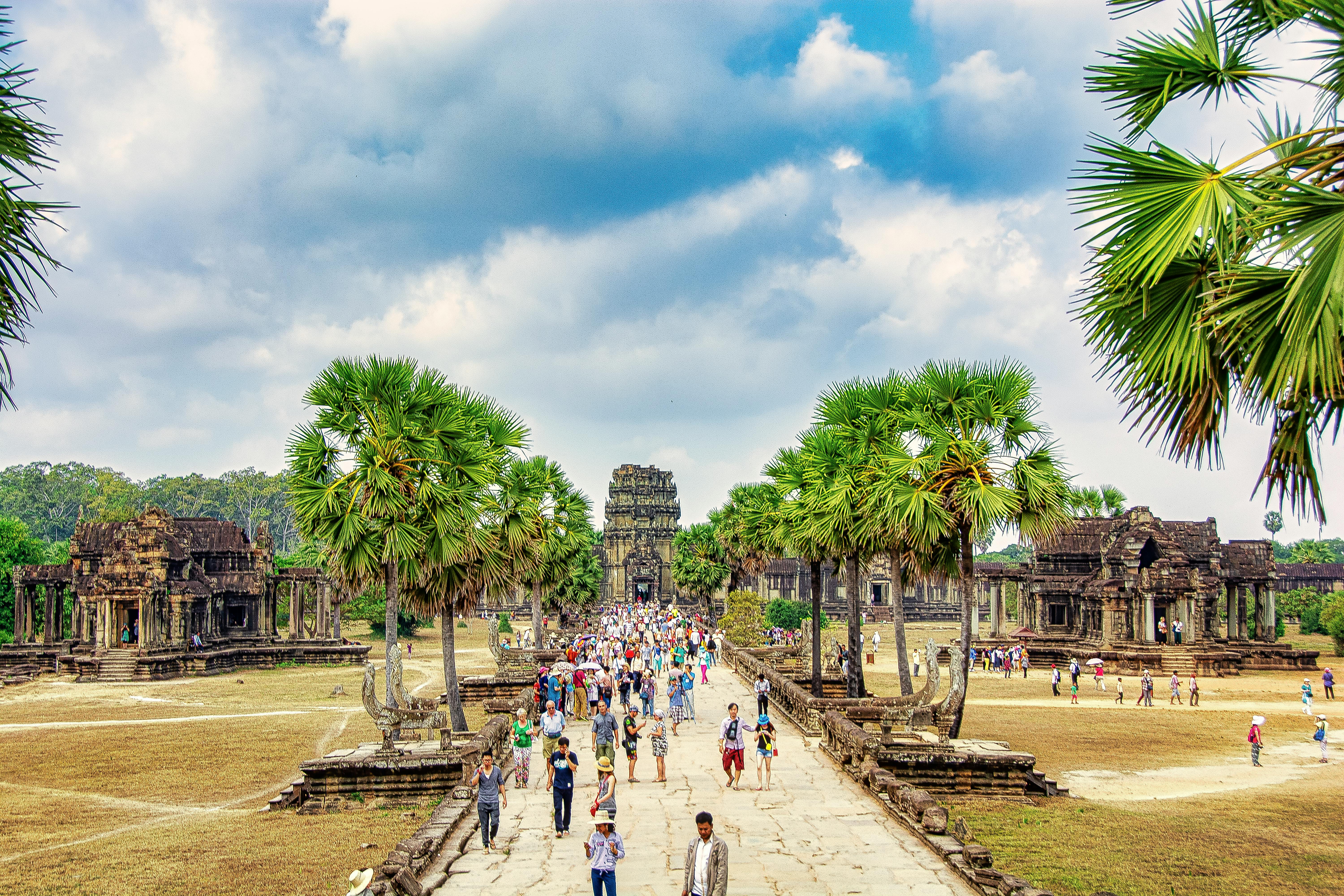
Siem Reap is safe for tourists and consistently ranks among Southeast Asia's most stable travel destinations. In 2024, Cambodia welcomed a record 6.7 million international visitors, with approximately 900,000 visiting Angkor Archaeological Park alone, up over 15% in early 2025, signaling both reliable infrastructure and a thriving tourism economy that locals actively protect.
Violent crime against visitors remains rare, with petty theft the primary concern in any tourist town. Police regularly patrol main zones like Pub Street and Angkor, while the broader Khmer culture emphasizes warmth toward travelers. Common sense planning is all you need to move through Siem Reap with ease.
Is Siem Reap Safe Right Now?
Yes, Siem Reap is safe for tourists, and it remains one of the calmest places to travel in Southeast Asia in 2026. Petty theft exists, as in any tourist town, but violent crime against visitors is rare.
If you plan your days with a little common sense, you will feel at ease here.
In over 12 years of welcoming guests at Villa Agati, we have hosted thousands of travelers from across the world. Not one has experienced a violent crime incident in Siem Reap.
The mood of the town reassures most first-time visitors within hours of arriving.
Police patrol the main tourist zones on foot and by motorbike, especially near the markets and Pub Street. The city center stays quiet after dark, with families, monks, and street vendors sharing the same pavements.
Angkor functions smoothly every single day, with ticket checkpoints, guides, and well-marked paths. Pub Street stays lively until late, watched over by bar staff and tuk-tuk drivers who know the area well.
You move through these places alongside locals, not apart from them.
Several concrete factors keep Siem Reap safer than its size might suggest:
- The local economy depends heavily on tourism, so residents protect visitors as a shared livelihood.
- Violent crime against foreigners stays low, with most reported issues limited to pickpocketing or bag-snatching.
- Cambodians are known for warmth and patience, and Khmer culture places real value on hospitality toward guests.
- Tourist infrastructure is mature, with established hotels, licensed guides, clinics, and 24-hour reception desks.
These elements work together to create a steady, predictable environment for travel.
Siem Reap rewards calm, attentive travelers. Keep an eye on your bag in crowds and trust your instincts after midnight. Do that, and the city opens up generously.
You will spend far more energy choosing which temple to visit at dawn than worrying about your safety.
Is Cambodia Safe for Tourists in 2026?
Siem Reap sits inside a country that, as a whole, welcomes travelers with the same ease. Cambodia is safe for tourists in 2026, from the coast at Kep to the highlands of Mondulkiri. Looking beyond one city helps you judge the real picture.
What do official travel advisories say?
Government bodies publish regular guidance that frames the broad risk level. The US State Department places Cambodia at Level 2: Exercise Increased Caution. The UK FCDO advises care in specific areas while confirming the country stays open to visitors.
Here is how the two main sources line up:
| Source | Level / Classification | Main recommendation |
|---|---|---|
| US State Department | Level 2: Exercise Increased Caution | Stay alert to petty crime and scams, especially in tourist hubs |
| UK FCDO | Advice against travel to limited border zones only | Travel freely in main destinations with normal precautions |
A Level 2 rating sounds serious, but it is common for popular destinations. It simply asks American travelers to stay aware of their surroundings and watch their belongings. You can read the full advisory on the US State Department travel page for Cambodia before you pack.
How does Cambodia compare to Western countries?
The classification may surprise you, because familiar European destinations carry the same caution level. Cambodia ranks alongside places millions visit every year without a second thought. That context tends to calm first-time worries quickly.
Several Western countries sit at the same Level 2 rating as Cambodia:
- France: Level 2, mainly for terrorism and pickpocketing in cities.
- Italy: Level 2, for the same reasons travelers accept without hesitation.
- United Kingdom: Level 2, despite being a top global destination.
- Germany: Level 2, a country few people would call dangerous.
You already travel comfortably to these places. Cambodia belongs in the same conversation.
What Are the Most Common Siem Reap Scams?
The real risk in Siem Reap is not crime, it is your wallet. Scams are the most common problem tourists face here, far more than any threat to personal safety.
Most schemes are mild and easy to spot once you know them. They rely on confusion, hurry, or a friendly smile, not on force.
Here are the Siem Reap scams you are most likely to meet:
- Tuk-tuk overcharging: A driver quotes a vague price, then doubles it on arrival. This happens most often near the airport and Pub Street.
- Fake guides at Angkor: Someone offers to "guide" you without a license, gives thin information, then demands a large tip.
- The temple ticket trick: A stranger claims your pass is invalid or expired, hoping you will pay again. Only official checkpoints verify tickets.
- Misleading currency exchange: Street changers and some shops offer poor rates or short-change you in mixed dollars and riel.
- Invented site closures: A driver insists a temple is "closed today" and offers to take you to a gem shop or a friend's stall instead.
- Organized child begging: Children sell trinkets or ask for money near temples, often controlled by adults who keep the cash.
Knowing these patterns removes most of their power.
Negotiate the full price before you step into any tuk-tuk, and use recognized booking apps like Grab or PassApp for transparent fares. This single habit prevents the majority of scams travelers report in Siem Reap.
For child begging, resist the urge to give money or buy from kids. Cambodian charities ask visitors to support schools instead, since cash often keeps children out of class.
These incidents bruise your budget, not your body. A few extra dollars lost to a clever driver feels annoying, yet it carries no danger. You walk away poorer by the price of a coffee, nothing more.
Keep this in perspective as you plan. Siem Reap safety concerns center on small financial tricks, not on harm to travelers. Cambodia stays a place where tourists move freely, and a calm, prepared attitude turns these scams into minor footnotes of your trip.
How Safe Is Siem Reap for Solo Female Travelers?
Solo female travelers consistently rank Siem Reap among the most welcoming places to explore in Southeast Asia. Women travel here alone every day, walking the markets, cycling to temples, and dining solo without hassle.
Khmer culture treats guests with patience and respect. Catcalling and aggressive attention stay rare compared to many global cities.
That said, a few simple habits keep your trip smooth. The same awareness that serves any traveler serves women alone particularly well.
Follow these practical steps to stay comfortable as a solo woman in Siem Reap:
- Avoid walking alone late at night through dim, unlit streets away from the center.
- Keep your bag and phone close to your body on busy Pub Street, especially after a few drinks.
- Choose accommodation with strong recent reviews, 24-hour reception, and clear security.
- Trust your instincts: if a situation or a person feels off, step away without apology.
These choices cost you nothing and remove almost every minor worry before it starts.
Solo female travelers who post about Siem Reap describe the same experience again and again: friendly tuk-tuk drivers, helpful hotel staff, and not one serious incident during stays of a week or more.
The biggest factor in feeling at ease is where you sleep. A trusted base, with a host who knows the town and staff who watch the gate, changes everything for a woman traveling alone.
That is exactly what we built into the secure, welcoming rooms at Villa Agati, where solo guests check in to calm gardens, attentive service, and locked grounds after dark.
You rest well, then explore with confidence.
Are the Border Tensions a Threat to Siem Reap?
News headlines about Cambodia's border tensions worry some travelers planning a 2026 trip. These tensions are real, but they sit far from Siem Reap and the temples you came to see.
Understanding the geography settles most of this concern in a single map check.
Where are the affected border zones?
The friction concentrates along a narrow strip of the northern frontier, within about 30 kilometers of the Thai border. The Preah Vihear temple area and parts of Oddar Meanchey province see the most attention.
These are remote, sparsely populated zones, well off the standard tourist route.
Few visitors pass through them, and none need to in order to reach Angkor.
The affected border zones lie roughly 250 kilometers north of Siem Reap. The city, the temples, and the airport all sit far outside any area touched by these tensions.
What should travelers do to stay safe?
Common sense covers almost everything here. You do not need to cancel or reroute a Siem Reap trip because of distant border friction.
A few precautions keep you fully clear of any affected area.
Follow these simple steps before and during your trip:
- Skip non-essential overland crossings into Thailand through northern Cambodian border points.
- Stay away from contested zones near Preah Vihear unless you confirm they are calm and open.
- Check official advisories from your government in the days before you travel, then again on arrival.
These steps take minutes and remove the only real concern tied to the border. Most travelers fly into Siem Reap directly, so the issue never touches their plans at all.
You spend your days among temples and rice fields, hundreds of kilometers from any tension, exactly as intended.
What About Crime, Tap Water, and Landmines?
Three practical worries surface for almost every first-time visitor: street crime, drinking water, and landmines. Each deserves a clear, honest answer rather than vague reassurance.
Here is what actually applies in Siem Reap and Angkor in 2026.
Is petty crime common in the city?
Violent crime against tourists stays rare in Siem Reap, but opportunistic theft does happen. Bag-snatching and phone grabs from passing scooters occur occasionally in busy tourist zones, especially near Pub Street after dark.
A few habits cut this risk to near zero:
- Carry your bag on the side away from the road, so a scooter cannot snatch it.
- Keep your phone, camera, and jewelry out of sight in crowded areas.
- Store your passport and spare cash in your hotel safe, not your daypack.
Can you drink the tap water?
Tap water in Siem Reap is not safe to drink. Stick to bottled or filtered water for drinking and brushing your teeth, and skip ice from informal street stalls if your stomach feels sensitive.
Pack a reusable bottle with a built-in filter. Many hotels, including ours, offer free refill stations, so you cut plastic waste and stay hydrated without buying bottle after bottle.
Are landmines still a danger?
Landmines remain a real concern in parts of rural Cambodia, but not where you will travel. Siem Reap and the entire Angkor complex are fully cleared, walked safely by thousands of visitors every day. The risk sits in isolated farming regions far from any temple circuit.
The official UK government safety guidance for Cambodia confirms that demined tourist areas pose no threat, while flagging remote zones to avoid.
Two simple rules keep you clear:
- Stay on marked paths and established trails at every temple and rural site.
- Do not wander into uncleared fields or undeveloped land outside organized tours.
Follow these, and landmines never enter your trip.
How Can You Stay Safe During Your Siem Reap Trip?
Everything above points to one truth: a few small habits handle nearly every risk in Siem Reap. Pull them together, and your trip runs smoothly from arrival to departure.
Use these practical steps to travel with peace of mind:
- Fly into Siem Reap directly rather than crossing overland through Poipet, where scams and delays cluster.
- Agree on every tuk-tuk fare before you climb in, or book through Grab and PassApp.
- Buy travel insurance that covers medical care and emergency evacuation before you leave home.
- Save key emergency numbers in your phone: police on 117, ambulance on 119, and your hotel reception.
- Drink filtered water throughout the day, and rest in the shade when the midday heat climbs past 35°C.
Your accommodation anchors all of this. A host who knows the drivers, the clinics, and the quiet routes turns advice into real support on the ground.
Travelers who plan a calm base often choose the locked, garden-set rooms at Villa Agati, where the staff arrange trusted transport and answer questions day or night.
With a little common sense, Siem Reap stays one of the warmest and safest places to discover Angkor in 2026.
Frequently Asked Questions about is siem reap safe
Is Siem Reap safe for tourists in 2026?
Yes, Siem Reap is safe for tourists and ranks among Southeast Asia's most stable travel destinations. Violent crime against visitors is rare, with petty theft being the primary concern. Police regularly patrol main tourist zones like Pub Street and Angkor. The local economy depends heavily on tourism, creating a strong incentive for residents to protect visitors and maintain safe neighborhoods.
What is the current Siem Reap safety level according to official travel advisories?
Siem Reap safety is rated at Level 2: Exercise Increased Caution by the US State Department, the same level as France, Italy, and the UK. The UK FCDO advises against travel only to limited border zones. These ratings reflect manageable risks and indicate that Cambodia is a safe destination for tourists with standard precautions.
What are the most common types of crime in Siem Reap that tourists should know about?
The primary safety concerns in Siem Reap are petty theft and occasional bag-snatching rather than violent crime. Siem Reap scams and pickpocketing occur but remain infrequent. Standard travel precautions, such as watching your belongings in crowded areas and avoiding displaying expensive items, effectively eliminate most risk. Awareness is your best defense.
How does Cambodia's tourism infrastructure support safety in Siem Reap?
Cambodia received 6.7 million international visitors in 2024, with over 900,000 visiting Angkor Archaeological Park alone. This high volume demonstrates strong tourism infrastructure and commitment to visitor safety. Well-marked paths, ticket checkpoints, guides, and daily police patrols in tourist areas ensure reliable security. The thriving tourism economy makes safety a priority for local communities.
Is it safe to visit Angkor and Pub Street in Siem Reap?
Yes, both Angkor and Pub Street are safe. Angkor Archaeological Park operates smoothly daily with ticket checkpoints, trained guides, and well-organized facilities. Pub Street remains lively until late with bar staff and tuk-tuk drivers providing a watchful presence. Police patrol both areas regularly, and you move through these spaces alongside locals, ensuring a secure environment.
What precautions should I take to stay safe while visiting Siem Reap?
Use common sense planning to ensure a safe Siem Reap experience. Watch your belongings in crowded areas, avoid displaying expensive items or valuables, stay alert to potential scams in tourist hubs, and keep to main zones after dark. Police presence in popular areas provides additional security. Most visitors feel at ease within hours of arriving by following these standard travel safety practices.