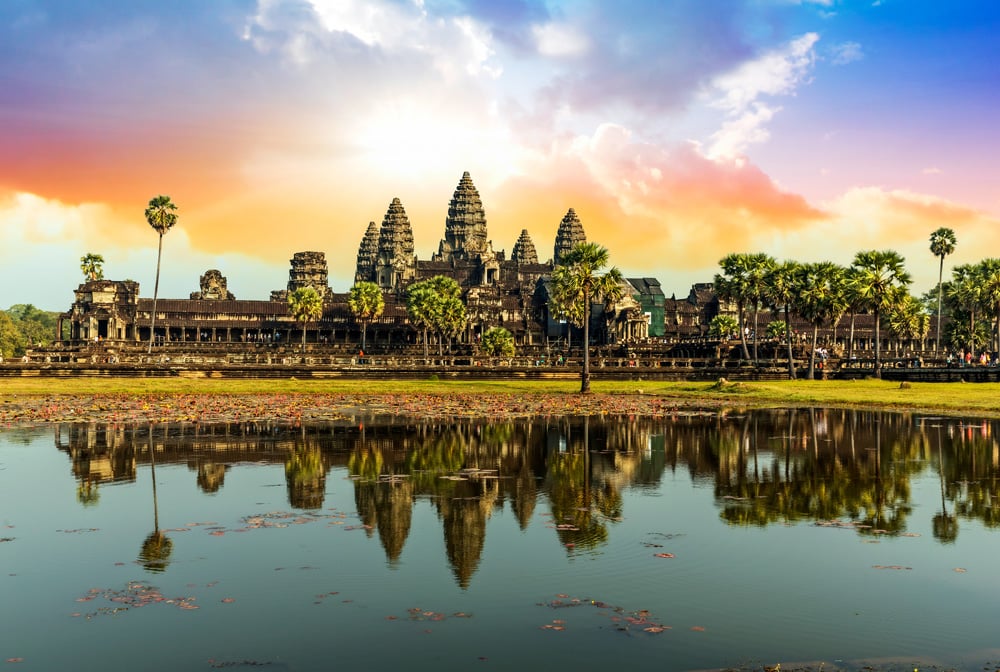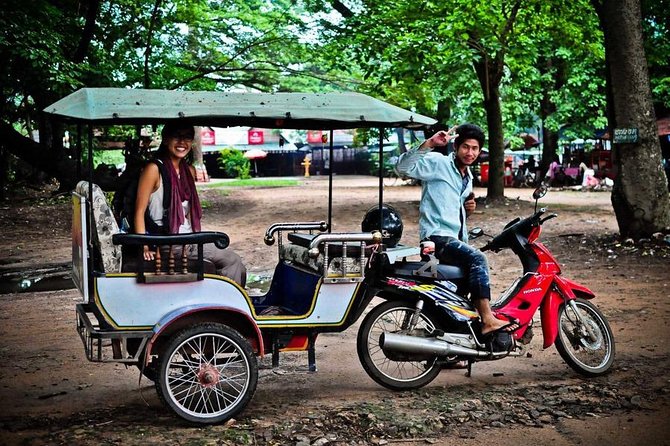
- Most travellers underestimate Siem Reap. Plan 4 days minimum so the temples do not eat your whole trip.
- The five things genuinely worth your time outside the temples: Phare Cambodian Circus, Tonle Sap floating villages, a Khmer cooking class, the Old Market food alleys, and a sunset bike ride through the rice paddies.
- Skip Chong Kneas floating village (most touristy). Go to Kampong Phluk or Kampong Khleang instead.
- Pub Street is loud until 2 AM. Walk the riverside from Wat Bo or Salakamreuk for a quieter, more local evening.
In 2025, the Angkor Archaeological Park welcomed 955,131 international visitors, most of whom came primarily for the temples. The mistake is leaving without seeing the rest. Siem Reap is a working Cambodian town with a serious food scene, a lake that breathes with the seasons, one of Southeast Asia's most striking circus troupes, and countryside loops you can pedal on a flat $2 bike.
If you are trying to figure out the things to do in Siem Reap beyond Angkor Wat, the short answer is: a lot, but only a handful are genuinely worth your time. Most lists you will find online stretch to 20 or 50 items by including everything that has a sign on the door.
This guide does the opposite. Here are 15 picks our team actually recommends to guests, ranked by how often we hear "I am glad you suggested that" the next morning at breakfast. Plus a 4-day pacing plan so you can fit both temples and town comfortably.
How to Pace 4 Days in Siem Reap (so You Have Time for Both)
The honest pacing rule: two full days at the temples, one day for town and food, one buffer day that doubles as a day trip or a slow recovery. Five days is better; three is workable but tight.
The mistake most travellers make is stacking temple days back to back. After sunrise at Angkor Wat, walking 10 km through Bayon and Ta Prohm, then returning to Banteay Srei the next morning, you are physically wrecked by day three. The town gets the leftovers. Plan a town day in the middle.
| Day | Morning | Afternoon | Evening |
|---|---|---|---|
| 1 | Angkor Wat sunrise + small circuit | Pool, lunch, recovery | Phare Cambodian Circus |
| 2 | Town day: cooking class, Old Market | Spa or pool | Riverside walk and dinner |
| 3 | Grand circuit (Preah Khan, Neak Pean) | Banteay Srei or Banteay Samre | Pub Street, or a quieter dinner |
| 4 | Tonle Sap floating villages | Free time, packing | Departure |
For sunrise logistics, see our Angkor Wat sunrise guide.
Food and Markets, the Cultural Heart of Town
Khmer food is the most underrated part of any Siem Reap trip. It is not Thai, it is not Vietnamese, and the locals will gently correct you if you call it either.
Six food and market picks worth your time:
- Fish amok at a sit-down restaurant in Wat Bo or Kandal Village ($5-9)
- Lok lak: stir-fried beef with a black pepper and lime dipping sauce, the lunchtime workhorse of Cambodian cooking
- Num banh chok: cold rice noodles in coconut curry, a breakfast favorite of locals
- Old Market food stalls in the morning for grilled river fish, sticky rice, and fresh fruit
- Made in Cambodia Market on King's Road: weekly handicrafts, palm sugar, Kampot pepper
- A half-day Khmer cooking class: starts with a market walk, ends with eating what you cooked ($25-35 per person)
The cooking class is the highest-return item. It teaches you what is in the dishes, what is in season, and how a Khmer home actually cooks. Most guests tell us it was the most memorable non-temple thing they did.
For sit-down dinner spots, Sok San Road and Wat Bo Road have the most local-favored places. Pub Street is for the energy, not the food.
Tonle Sap, Floating Villages Done Right
Tonle Sap Lake fluctuates in size by about 500% between dry and wet seasons. The houses, the schools, the churches all sit on stilts or floats, and they move with the water. It lands very differently depending on which village you choose.
Here is the honest ranking. Skip the first one.
- Chong Kneas, the closest village to town. Heavily touristy, fake orphanages, and pushy boat operators. We do not recommend it.
- Kampong Phluk, 30 km from town, stilted houses up to 10 meters tall, and a mangrove forest you paddle through in dry season. Goes from "interesting" to "stunning" in October.
- Kampong Khleang, 50 km away, the largest and least touristy. Local life is genuinely happening. Best half-day choice for travellers who hate feeling like a tourist.
- Mechrey, birdwatching focused, niche pick if you are already deep into Cambodia.
For all of them, go in the late afternoon rather than midday. Boats are cooler, the light is better, and you will usually catch a sunset on the water.
We organise day trips to the Tonle Sap floating villages for guests, including transport and a vetted local guide.
Shows, Spectacles and Cultural Performances
Three performances are worth your time. Skip the rest.
Phare Cambodian Circus is the headline. Acrobatics, live music, theatrical storytelling, and a social mission: the troupe trains at-risk Cambodian kids in the performing arts.
We send most of our guests on the night they arrive in town, since it is a low-effort, high-impact way to mark the start of the trip.
Apsara Dance Performances
Traditional Khmer classical dance, often paired with a dinner buffet. The honest verdict: the dance is gorgeous, the buffet is mediocre at most venues. If you want the dance, look for stand-alone performances at the National Museum or smaller venues rather than the dinner-show packages.
APOPO Visitor Center
The HeroRATs that demine former conflict zones, including parts of Cambodia. A 45-minute visit ($10) where you meet the rats, learn how they are trained, and understand the country's landmine legacy. Surprisingly moving, especially for kids.
Active Days: Cycling, Cooking, and the Countryside
Siem Reap is flat, the back streets are quiet, and a bike unlocks a whole layer of the city that does not exist if you only travel by tuk-tuk.
Five active picks, ranked:
- Cycle the rice paddy loop behind Salakamreuk: 12 km flat, takes ~90 minutes, ends with palm sugar tasting if you stop at the small roadside stands.
- Half-day Khmer cooking class: covered above; rebooks well alongside cycling the same day.
- Quad bike countryside tour with a local operator ($35-55), gets you further out than a bike and includes village stops.
- E-bike loop to Banteay Srei: the only sensible non-car way to reach the pink-stone temple, 25 km each way.
- Sunrise walking tour of the city with a local guide before the heat kicks in.
If you want a simple in-town option, just rent a bicycle and ride toward Wat Bo. The 3 km riverside loop alone is worth the morning.
Siem Reap at Night, Honest Picks
You have three modes to choose from. Each works, but they are for different moods.
| Mode | What it is | Best for | Skip if |
|---|---|---|---|
| Pub Street | Loud bars, neon, $1 draft beer, fire dancers | Last-trip-night energy, groups | You want sleep before sunrise |
| Wat Bo / Kandal Village | Cocktail bars, small restaurants, quieter streets | Couples, food-focused evenings | You want a party |
| Riverside walk | Free 30-min stroll along the canal into town, pop-up food stalls | Slower evenings, families | It is raining |
The honest take: spend one night on Pub Street if you want to say you did. Spend the rest at Wat Bo or do the riverside walk. The Pub Street noise carries until 2 AM and your sunrise alarm at 4:00 AM will not be kind.
For seasonal context, including which months Pub Street is actually rowdy versus quiet, see our guide to the best months to visit.
Day Trips Worth Taking from Siem Reap
If you have a fifth day, or you just want a break from Angkor central, three trips deliver. The math: about $40-80 for the day including a driver, versus $0 for staying poolside, which is also a perfectly legitimate choice.
- Banteay Srei (35 km, ~1 hour drive). Yes it is a temple, but the carving quality is on a different planet from Angkor proper. The pink sandstone glows in late afternoon. Pair it with the Cambodia Landmine Museum 5 km up the road.
- Beng Mealea (65 km, ~1.5 hours). An overgrown jungle temple with no scaffolding, no crowds, and a Tomb Raider atmosphere that the more famous Ta Prohm has lost to tourist flow.
- Phnom Kulen (50 km, ~2 hours). The mountain where the Khmer empire was founded, plus a swimmable waterfall and the River of 1,000 Lingas. Bring swim clothes and good walking shoes; the $20 park entry is separate from your Angkor pass.
The trick: combine Banteay Srei plus Beng Mealea in one long day. Same driver, same direction, leaves you the afternoon for a proper meal.
Where to Stay to Make All of This Easier
Where you sleep changes which of these things you actually get around to. The choice is not just price; it is geography and noise.
Three neighborhoods to consider:
- Salakamreuk and Wat Svay (south of the river): quiet, green, 15-minute walk to Old Market via a pleasant riverside path. Best for the temple-plus-town combo. Villa Agati is here.
- Wat Bo (east of the river): foodie alley with garden-restaurant culture, slightly closer to Pub Street, slightly louder.
- Central, near Pub Street: walkable to the nightlife, very loud, harder to sleep before a 4 AM sunrise alarm.
The riverside walk into town is the unsung asset. About 15 minutes from Salakamreuk into the Old Market area, the canal path is lit, lined with pop-up food stalls in the evening, and ends in the busy core without needing a tuk-tuk.
If you are looking for a quiet base that handles the logistics, we offer rooms at Villa Agati starting at $30 per night with breakfast included. Bikes are $2 a day, the team can arrange tuk-tuks, temple guides, cooking classes, and day trips, and the pool is genuinely the right place to land after a hot temple day. Book direct for 10% off versus the OTAs.
Frequently Asked Questions
How many days do you need in Siem Reap?
Four days is the sweet spot for most travellers. Two for the main Angkor circuits, one for town and food, one for a day trip (Tonle Sap, Banteay Srei, or Phnom Kulen) or a buffer day. Three days is doable if you skip the day trip. Five-plus days gives you slower mornings, time for a Khmer cooking class, and room to repeat your favorite temple at a different time of day.
Is Siem Reap worth visiting beyond Angkor Wat?
Yes, and most return visitors say it was the non-temple things they remember best. The food scene, the floating villages of Tonle Sap, Phare Circus, and a quiet sunset bike ride through the rice paddies all live up to the hype. The town has its own rhythm, separate from the temples, and giving it 24 to 48 hours changes the whole feel of the trip.
Is Siem Reap safe for tourists at night?
Yes. Siem Reap is one of the safer destinations in Southeast Asia, and the central tourist areas are well-lit and busy until late. Basic precautions apply: watch your bag in crowded markets, take marked tuk-tuks for late rides, and avoid flashing valuables on Pub Street. Walking the riverside back to your hotel is generally fine at any hour, though women travelling solo may prefer a tuk-tuk after midnight.
Can you visit Siem Reap without seeing Angkor Wat?
You can, and a small fraction of travellers do. If temples do not interest you, Siem Reap still works for two or three days on food, the lake, the circus, and the markets. That said, the temples are 30 minutes away and one of them, Banteay Srei, is closer to a museum than a hike. Most people who go in temple-skeptical end up doing at least the small circuit anyway.