- Pchum Ben 2026 falls on October 10-12, the three official public-holiday days inside a 15-day festival that honours ancestors going back seven generations.
- Tourists are welcome to observe Pchum Ben at any pagoda. Dress modestly, remove your shoes, and bring offerings before 11:00 AM, because monks do not eat after noon.
- In Siem Reap, the most accessible ceremonies take place at Wat Bo, Wat Damnak, and Wat Preah Prom Rath, all close to the town centre.
- The signature foods are bay ben (sticky rice balls with sesame and coconut), num ansom (banana-leaf rice cakes), and samlor kako (a thick Khmer stew).
- Many shops, the Royal Palace, and national museums close during Pchum Ben, but the Angkor temples and most Siem Reap restaurants stay open.
Pchum Ben is the most important Buddhist holiday in the Cambodian calendar, and in 2026 it runs from October 10 to 12. For 15 days each year, families across the country gather at their local pagoda to feed monks and offer food to the spirits of their ancestors.
Here is the part most guides skip: if you are in Siem Reap during the festival, you are not in the way. Pagodas stay open, no ticket is needed, and respectful visitors are genuinely welcome to watch. The catch is knowing how to do it well: when to arrive, what to wear, what to bring, and how to stand back at the right moments.
This guide is written for the traveller who will actually be there. Below are the seven things worth knowing before you walk into a Siem Reap pagoda during Cambodia's ancestors' festival, from the 2026 dates to the food you can try and where to base yourself for the three days.
1. What Pchum Ben Actually Is
Pchum Ben (sometimes spelled phchum ben) is often called Ancestors' Day, though it lasts far longer than a single day. Cambodians believe the gates between the living and the dead briefly open, and the souls of relatives return to look for their families.
By making offerings at the pagoda, people transfer merit to those souls, hoping to ease their passage. The festival honours deceased relatives going back seven generations, and it closes the three-month Buddhist Lent, known as Vassa.
2. When Pchum Ben 2026 Takes Place
The short answer: October 10 to 12, 2026. Those are the three public-holiday days when offices, banks, and schools close so people can travel to their home provinces. They sit at the end of a much longer observance.
Pchum Ben follows the lunar calendar, falling around the new moon of the tenth Khmer month, which is why the Western date shifts each year. If you are still mapping out your trip, our guide to the best time to visit Siem Reap puts the festival in the wider seasonal picture. The full festival splits into two phases.
| Phase | Khmer name | What happens | 2026 timing |
|---|---|---|---|
| First 14 days | Ben Toch / Kan Ben | Families take turns bringing food to the pagoda before dawn on rotating days. | Late Sept to early Oct |
| Final day (15th) | Ben Thom | The climax. Everyone gathers at the pagoda; the public holiday peaks here. | Around Oct 10-12 |
If you want to witness the busiest, most photogenic ceremonies, aim for the final days around Ben Thom, when pagodas fill with families in their best clothes.
3. Pchum Ben vs the Day of the Dead
If you grew up with Mexico's Day of the Dead, Pchum Ben will feel both familiar and different. Both festivals rest on the same idea: once a year, the dead return and the living feed them. The mood, though, is not the same.
| Aspect | Pchum Ben (Cambodia) | Day of the Dead (Mexico) |
|---|---|---|
| Core belief | Souls are released and seek out their living family | Spirits return to visit their relatives |
| Mood | Quiet, solemn, merit-making at the pagoda | Colourful, festive, celebratory |
| Main offering | Rice balls (bay ben), food given to monks | Sugar skulls, marigolds, favourite foods on altars |
| Where it happens | Buddhist pagodas | Homes, cemeteries, public altars |
| Length | 15 days (3 are public holidays) | Mainly 2 days (Nov 1-2) |
The key difference: Pchum Ben is closer to a religious duty than a party. There are no costumes and little spectacle, just steady devotion. Understanding that tone is the single best way to be a respectful guest.
4. How to Attend a Ceremony Respectfully
Watching a Pchum Ben ceremony is one of the most genuine cultural moments Siem Reap offers, and the rules for visitors are simple. Follow these steps and you will fit in quietly rather than stand out.
- Go in the early morning. The main offerings happen at or before dawn and must finish by late morning.
- Dress modestly. Cover your shoulders and knees. Many Cambodians wear white, a colour of mourning and respect, so plain, muted clothing is ideal.
- Take your shoes off. Remove footwear before stepping into any temple building or prayer hall.
- Bring a small offering. Fruit, sticky rice, incense, candles, or a small cash donation for the monks are all appropriate and appreciated.
- Mind your feet and posture. Sit with your feet tucked behind you. Never point the soles of your feet toward monks, altars, or Buddha images.
- Ask before photographing. A quiet nod or gesture is enough. If a space looks reserved or crowded, stay back and observe from the edge.
5. The Food You Should Try
You don't need a family invitation to taste Pchum Ben. The festival has its own menu, and the dishes appear in markets, homes, and restaurants across Siem Reap for the whole period.
- Bay ben: the signature dish, small balls of sticky rice mixed with sesame and coconut, the same offering left for the spirits at dawn.
- Num ansom: sticky rice cakes wrapped in banana leaf, either sweet with banana (ansom chek) or savoury with pork (ansom chrouk).
- Samlor kako: a thick, hearty Khmer stew of vegetables, herbs, and fish or pork, often called Cambodia's national soup.
- Num korm: little steamed pyramids of sticky rice filled with coconut or mung bean, a common festival sweet.
You can try several of these without leaving your hotel. During the festival our on-site restaurant prepares traditional Khmer dishes alongside the usual menu, so you can taste num ansom or samlor kako the same evening you watched it being offered.
If you want to go a step further and make these dishes yourself, a Khmer cooking class is a hands-on way to understand the food behind the festival.
6. What Opens and Closes in Siem Reap
Pchum Ben is a national holiday, so the rhythm of the town changes for a few days. Knowing what to expect helps you plan around it rather than be caught out.
| Usually open | Usually closed or reduced |
|---|---|
| Buddhist pagodas (free, no ticket) | Royal Palace and national museums |
| The Angkor temples and ticket office | Government offices, banks, many shops |
| Most hotels and tourist restaurants | Some family-run local businesses |
| Tuk-tuks and private drivers | Reduced transport in and out of town |
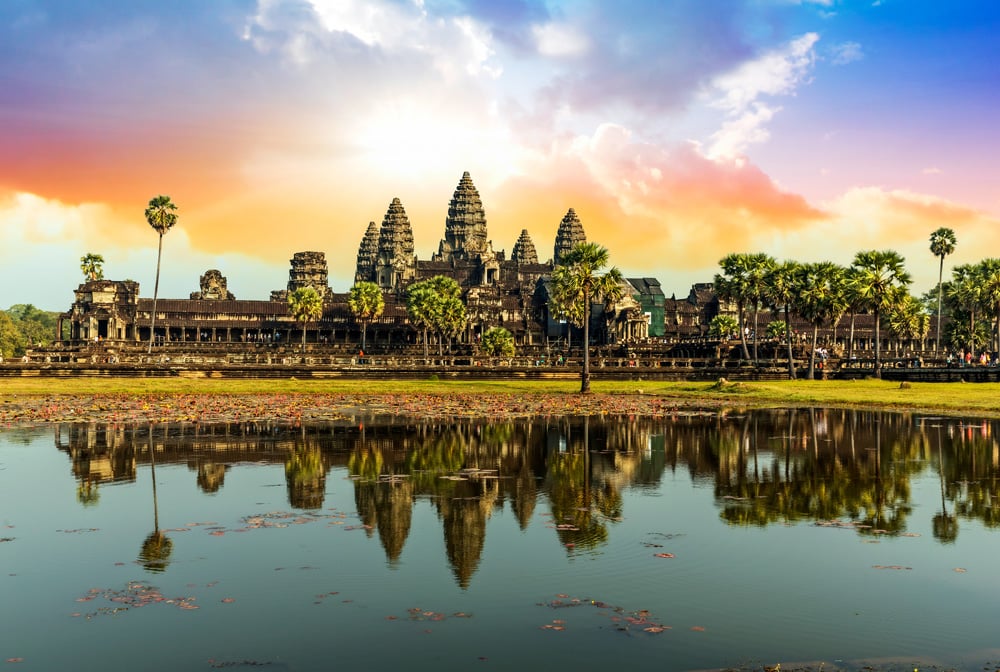
The good news for most visitors: the temples carry on as normal. If your main reason for the trip is visiting Angkor Wat, Pchum Ben will not get in your way. You simply gain the chance to add a deeply local experience on top.
7. Where to Base Yourself for Pchum Ben
Location matters more than usual during the festival. The pagodas where visitors are most comfortable observing, Wat Bo, Wat Damnak, and Wat Preah Prom Rath, all sit close to the centre of Siem Reap, so staying nearby lets you walk to a dawn ceremony and be back for breakfast.
This is where being thoughtful about where to stay in Siem Reap pays off. Villa Agati sits in quiet Wat Svay village, a short walk or bike ride from all three pagodas, yet far enough from the crowds to feel calm when you return.
Because we are a small hotel, our team can brief you on the etiquette before you head out, point you to the nearest ceremony, and cook the festival dishes you just saw offered. Guests often describe the early-evening riverside walk back into town as a highlight in itself.
If you want to be within walking distance of the ceremonies during Pchum Ben 2026, our rooms in Wat Svay village start at $24 a night with homemade breakfast and free bikes, and booking direct saves you 10% over the booking sites.
Frequently Asked Questions
Is Pchum Ben a public holiday?
Yes. Three days of Pchum Ben are official public holidays in Cambodia, in 2026 that is October 10 to 12. Government offices, banks, and schools close, and many Cambodians travel to their home provinces, so expect quieter streets in town and heavier traffic on the roads between cities.
What should I wear to a Cambodian pagoda?
Cover your shoulders and knees, and choose plain, modest clothing over anything tight or bright. White is especially appropriate during Pchum Ben, as it signals mourning and respect. Wear shoes you can slip off easily, since you will remove them before entering temple buildings.
How many days does Pchum Ben last?
The full festival runs for 15 days. The first 14 days, called Ben Toch or Kan Ben, involve rotating family offerings at the pagoda, and the 15th day, Ben Thom, is the climax. Only the final stretch, around three days, is an official public holiday.
Is it rude for tourists to take photos during Pchum Ben?
Photography is generally fine if you are discreet and ask first. Avoid using flash during prayers, do not block participants, and lower your camera if anyone seems uncomfortable. When in doubt, watch quietly for a while before raising a lens.
Why is Pchum Ben spelled so many different ways?
Pchum Ben, phchum ben, and Prachum Benda are all romanised versions of the same Khmer words, which do not map neatly onto the Latin alphabet. They all refer to the same ancestors' festival, so you can use them interchangeably when searching.