- Angkor Wat lies just 5 kilometers from Siem Reap, reachable in 30 minutes by car or tuk tuk from town.
- Fly into Siem Reap International Airport for speed, or take a 6 to 8 hour bus from Phnom Penh for budget travel.
- Bike rental Siem Reap costs $2 to $5 daily and suits independent travelers comfortable cycling rural roads.
- Siem reap transport options include tuk tuks ($10 to $15 per day), private drivers ($60 to $100), and organized tours ($25 to $50).
- Over 1 million international visitors reached Angkor Wat in 2024, so book transport and accommodation well ahead during peak season.
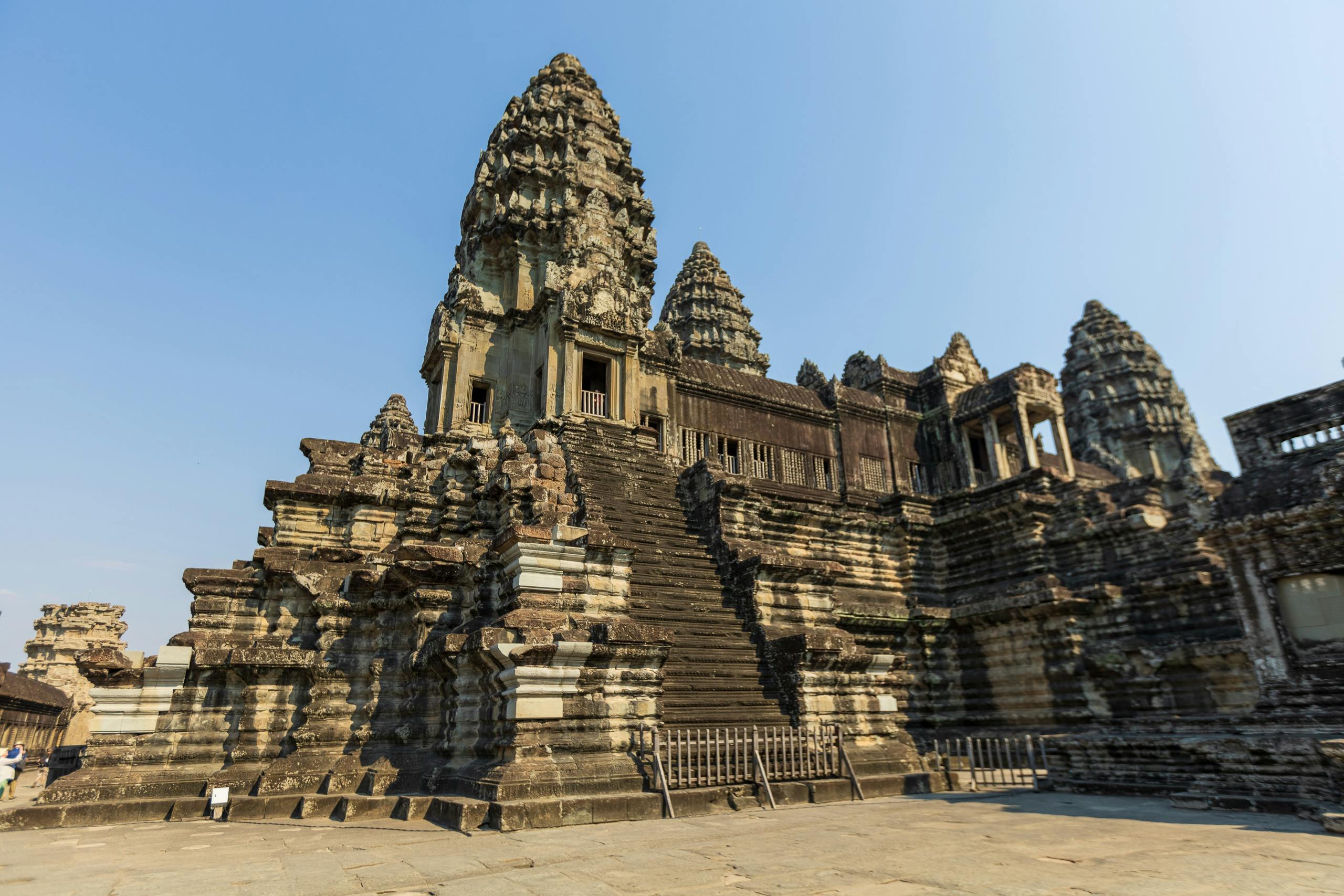
Angkor Wat draws over 1 million international visitors annually, with 646,000 arrivals already logged in the first eight months of 2025, making it Cambodia's most visited archaeological site. Yet getting there remains straightforward: the temple sits just 5 kilometers from Siem Reap, roughly 30 minutes by car, making this compact city your unavoidable entry point.
Whether you fly into Siem Reap International Airport or arrive by bus from Phnom Penh, the final leg to how to get to Angkor Wat involves the same local transport options. Understanding your choices : tuk tuk, bike rental, private car, or guided tour : before you land saves money, stress, and hours of confusion on the ground.
Where Is Angkor Wat and Why Start From Siem Reap?
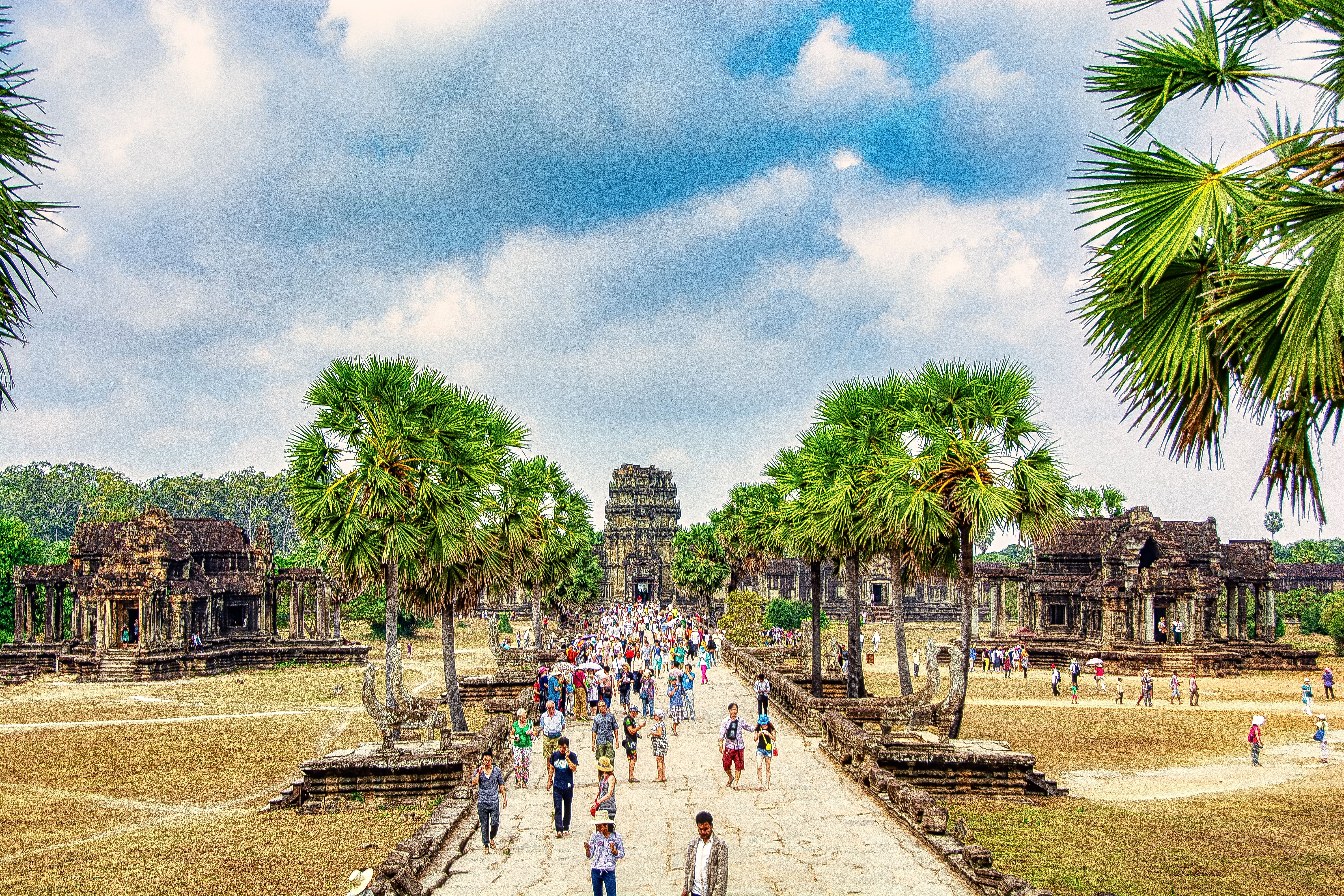
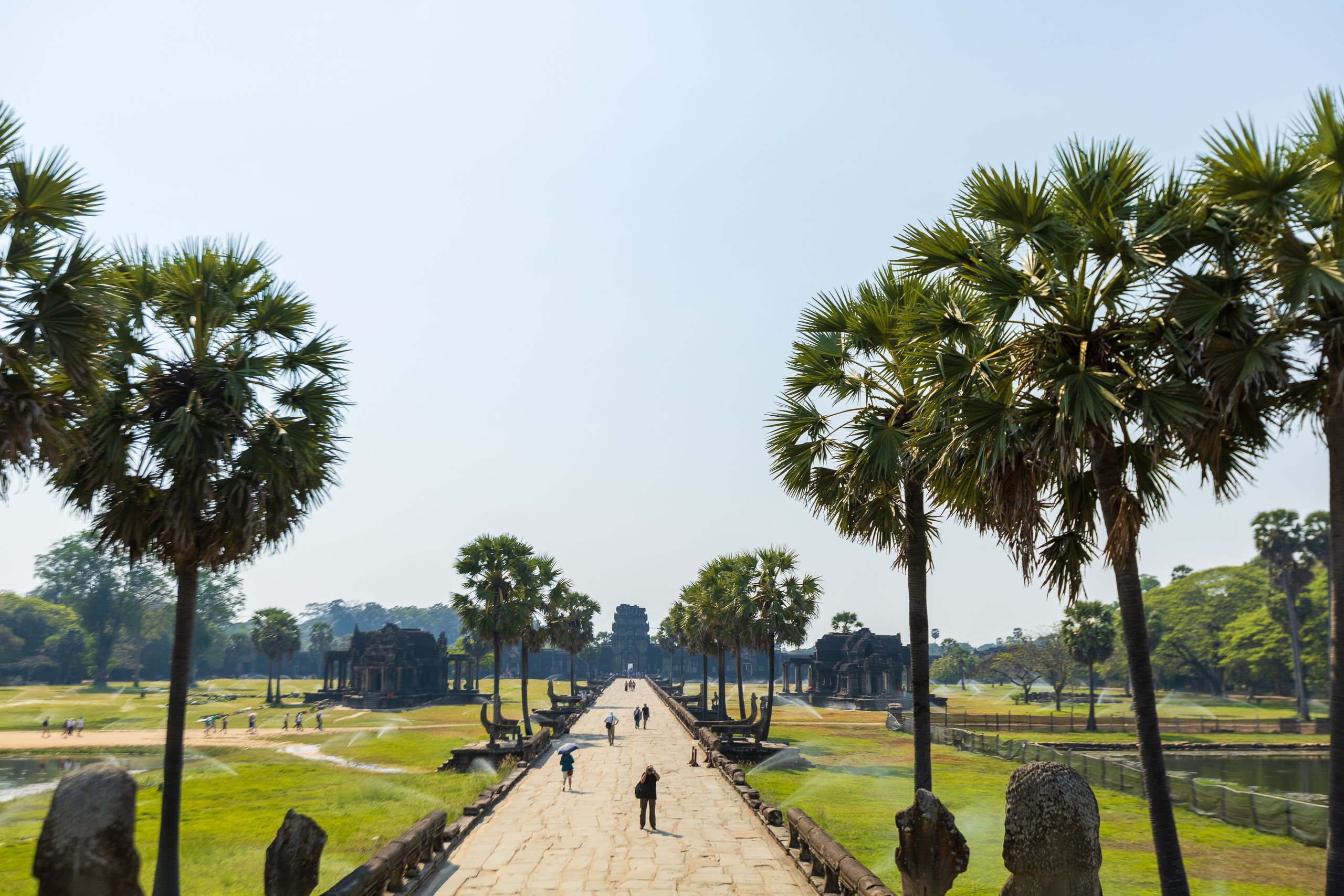
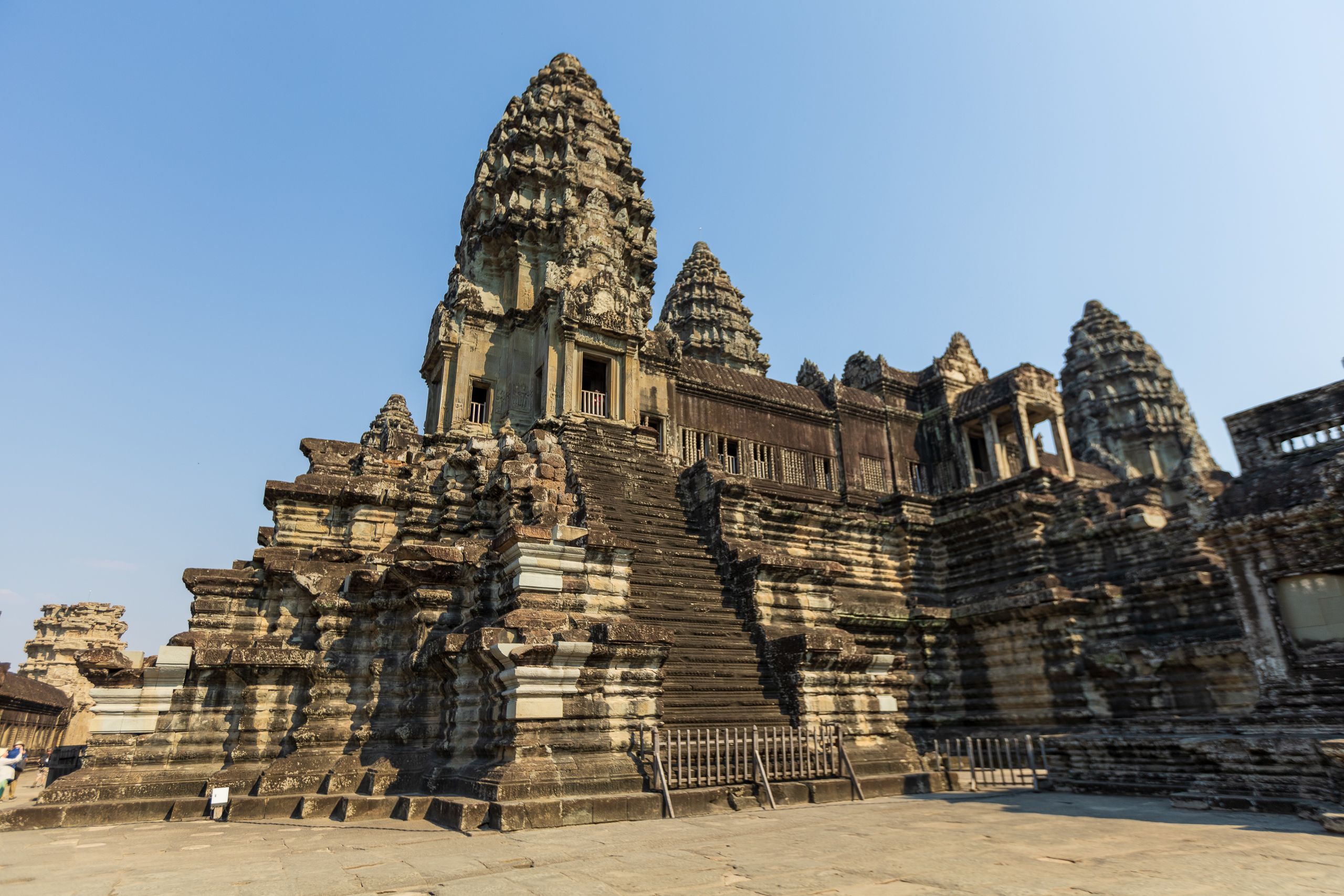
Angkor Wat sits in northwest Cambodia, the crown of a temple complex listed as a UNESCO World Heritage Site since 1992. It rises more than 300 kilometers from Phnom Penh, the capital.
The temple lies about 5 kilometers from Siem Reap, roughly 30 minutes by car. This small city is the gateway, the place where every Angkor journey begins.
Siem Reap works as both a tourist hub and a practical base. Hotels, restaurants, and tour operators cluster here. You sleep, eat, and arrange transport in town, then head to the temples each morning.
Here are the key distances to keep in mind:
- Phnom Penh to Angkor Wat: about 300 kilometers
- Siem Reap town to Angkor Wat: about 5 kilometers, around 30 minutes
- Siem Reap International Airport to the town center: about 7 kilometers
These numbers shape your planning. The temple is close to town but far from the capital, so most travelers fly or drive into Siem Reap first.
Angkor Wat anchors a much larger archaeological park. The site stretches across forests, moats, and dozens of monuments built between the 9th and 15th centuries.
Understanding this geography saves you time and confusion later. Once you know Siem Reap is your launch point, choosing transport becomes simple.
Quick insight: Siem Reap is the unavoidable starting point. Every route to Angkor Wat, by plane, bus, or road, runs through this city first.
How Do You Reach Siem Reap From Phnom Penh or Bangkok?
Most travelers reach Siem Reap by plane, bus, private car, or river boat. Each route suits a different budget, pace, and appetite for scenery.
Should You Fly Into Siem Reap?
Flying lands you at Siem Reap International Airport, about 7 kilometers from the town center. AirAsia, Thai Airways, and Vietnam Airlines connect Siem Reap with regional hubs like Bangkok and Ho Chi Minh City.
A short hop saves hours compared to the road, especially from farther cities.
Here is what flying gets you, and what it costs:
- Speed: under an hour from Bangkok, versus a full day overland
- Comfort: air-conditioned cabins, no rough stretches of highway
- Simplicity: direct transfers from the airport to your hotel
- Higher price: tickets run well above bus or shared transport
- Less scenery: you miss the rice fields and river towns along the way
What Are the Overland Options by Bus or Private Car?
The road still draws plenty of travelers who want to watch Cambodia unfold. From Phnom Penh, the drive takes about 6 hours. From Bangkok, expect closer to 8 hours, including the border crossing at Poipet.
You choose between a shared bus and a private car. A private car gives you flexibility for photo stops and a faster, smoother ride.
This table compares your two main overland choices:
| Mode | Duration | Price range | Comfort |
|---|---|---|---|
| Bus | 6 to 8 hours | $15 to $30 | Basic, fixed schedule |
| Private car | 5 to 7 hours | $80 to $150 | High, flexible stops |
Is the Tonle Sap River Cruise Worth It?
A boat links Phnom Penh to Siem Reap along the Tonle Sap River and lake. The ride lasts roughly 6 hours and passes floating villages and stilted homes above the water.
This route trades speed for views few road travelers ever see.
Practical tip: The cruise depends entirely on water levels. Boats run reliably in the wet season but may pause when the lake drops, so confirm availability before you book.
How to Get to Angkor Wat From Siem Reap?
Once you settle into Siem Reap, the last 5 kilometers to Angkor Wat open up to several local transport options. Each mode below comes with its own pros and cons, so you can match the ride to your pace and budget.
Why Is the Tuk Tuk Siem Reap the Top Choice?
The tuk tuk wins most travelers over for good reason. These three-wheeled rides wait on nearly every corner of Siem Reap, cost little, and suit the spread-out temples perfectly.
Your driver becomes part of the day. He drops you at each temple gate, then waits in the shade while you wander inside. The open sides catch the breeze between stops, and you watch the forest roll past on the way.
Here is how the tuk tuk weighs up:
- Low price: a full day runs around $15 to $25
- Wide availability: drivers wait outside hotels and along the main streets
- A driver who stays with you between temples, no waiting for a new ride
- Heat exposure: the open cabin offers no air conditioning
- Fare negotiation: agree on the price before you climb in
Our take: For most visitors, the tuk tuk is the best way to explore Angkor. It balances cost, comfort, and the freedom to linger at each temple.
When Does Hiring a Taxi Make Sense?
A taxi suits travelers who want sealed comfort over open air. Your hotel can book an air-conditioned car for the day, though the price climbs well above a tuk tuk. Confirm the return trip when you arrange it, since drivers do not always wait.
This option earns its keep on the hottest afternoons:
- Air conditioning: cool relief during midday heat
- Comfort: smooth seats and protection from dust
- Higher cost: expect $35 to $60 for a full day
- Less flexibility: cars move slower through narrow temple lanes
What About Renting a Scooter?
A scooter gives you full independence, but it tests first-time visitors. You set your own pace, yet you also navigate traffic and risk missing the ticket office or checkpoints along the way.
Confidence on two wheels matters here. Without local riding experience, the freedom can turn into stress fast.
- Independence: stop and start on your own schedule
- Flexibility: reach quieter temples at your own rhythm
- Busy traffic: Siem Reap roads demand attention
- Easy to miss the ticket checkpoints if you do not know the route
Is Bike Rental in Siem Reap a Good Idea?
Cycling rewards travelers who enjoy a slow, close look at the landscape. The route stays flat and easy, with no technical climbs. Heat is the real challenge, especially near midday, so ride early. Many guesthouses and shops in town offer bike rental in Siem Reap for a few dollars a day.
- Low cost: bikes rent for around $2 to $5 daily
- Free pace: pause wherever the road tempts you
- Heat and fatigue: long distances under the sun wear you down
Should You Book a Guided Tour Instead?
A guided tour hands you both context and logistics. A professional guide explains the carvings and kings, while transport comes included.
- Expert guide: history brought to life on site
- Organized transport: no fares to negotiate
- Less freedom: you follow a set route and schedule
What Does It Cost to Enter Angkor Wat?
Entry to the Angkor Archaeological Park runs on an official pass system, sold only at the main ticket office. You buy a pass for one, three, or seven days, and the choice shapes how deeply you explore the temples.
Each pass covers the entire complex, not just Angkor Wat. You show it at every checkpoint, so keep it handy throughout your visit.
The right pass depends on your pace. A single day suits a quick highlights run, while longer passes give the moats and forest temples room to breathe.
This table breaks down the three options and who each one fits:
| Pass | Price | Best for |
|---|---|---|
| 1 day | $37 | A focused first visit to the main temples |
| 3 days | $62 | Travelers who want depth without rushing |
| 7 days | $72 | Slow explorers and repeat photographers |
The three-day pass spreads across a longer window, so you use the days within a set period rather than back to back. This lets you rest between visits and dodge the midday heat.
The seven-day pass works the same way, with even more flexibility. It rewards anyone who wants to return at sunrise more than once.
Buy your pass the evening before to skip the morning queue. The office processes cards and cash, and the photo is taken on the spot.
What to remember: Passes are personal and non-transferable. Staff print your photo on the card, and you carry a photo ID to every checkpoint.
When Is the Best Time to Visit Angkor Wat?
The season you choose shapes the whole experience, from the light on the stone to the crowds at the gate.
Weather also affects your ride to the temples. Open tuk tuks feel different under clear skies than in afternoon downpours.
Dry Season vs Rainy Season: What to Expect?
Here is how the three windows compare across the year:
| Season | Months | Weather | Crowds |
|---|---|---|---|
| Dry season | November to March | Cool, clear skies | Highest, peak prices |
| Shoulder season | April to May, September to October | Hot or mixed, fewer showers | Moderate, good balance |
| Rainy season | May to October | Warm, green landscapes, afternoon rain | Lowest, quietest temples |
Your ideal season depends on what you can tolerate. Crowd-averse travelers find the rains rewarding, with reflective moats and emerald forests around each temple.
Heat-sensitive visitors should aim for the dry months, when mornings stay cool and skies open up for sunrise. Expect company at the famous spots, though.
The shoulder months strike a middle path. You trade a little weather uncertainty for thinner crowds and softer prices.
Whatever window you pick, an early start beats both heat and tour buses. The first light at Angkor Wat belongs to those already at the gate by 5 AM.
That early departure works best when you sleep minutes from the entrance, not across town. A stay steps from the Angkor temple gates at Villa Agati puts you on the road before the crowds stir, sunrise still ahead of you.
How Should You Plan Your Visit Around the Temples?
Your time at Angkor decides your route, and your route decides your transport. Whether you have one day or three, the local tuk tuk keeps the whole plan flowing between gates.
Why Catch the Angkor Wat Sunrise?
Sunrise over Angkor Wat draws crowds for a reason. The temple silhouette darkens against a pink sky, then mirrors in the reflecting pools below.
This single moment shapes your whole morning. You leave before dawn, which means booking a tuk tuk the night before and meeting your driver in the dark.
Tip: Reserve your tuk tuk the evening prior. A 4:30 AM pickup gets you to the gate before the buses, with the sky still black.
What Fits in a One-Day Itinerary?
One full day covers the headline temples without rushing the light. Follow this order:
- Angkor Wat for sunrise, then a closer look at the bas-reliefs
- Bayon, with its stone faces, inside Angkor Thom
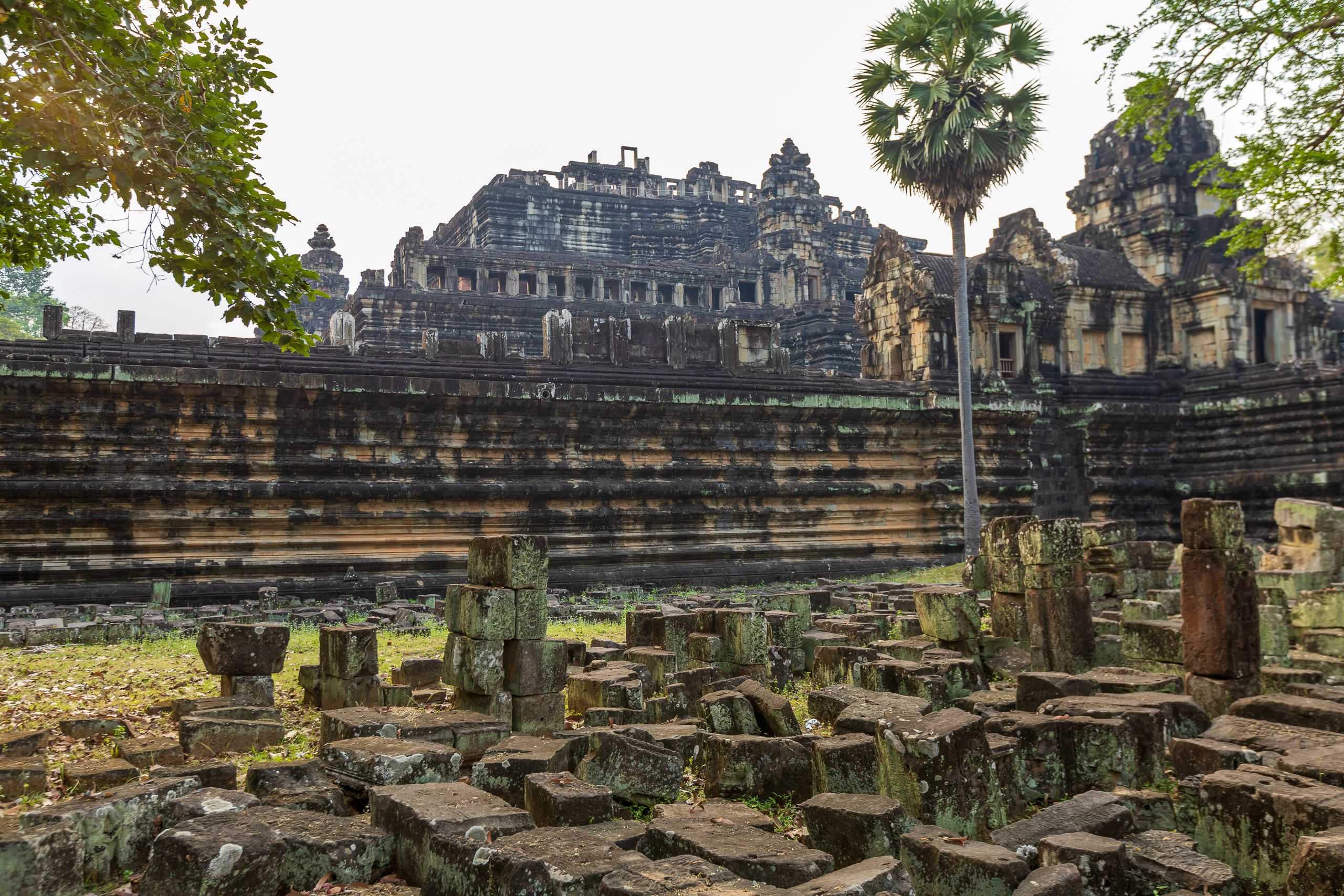
- Baphuon, the stepped temple-mountain nearby
- Terrace of the Elephants and Terrace of the Leper King
- Lunch break near Angkor Thom
- Ta Prohm, where roots grip the ruins
Distances stay short, so your tuk tuk hops between sites in 5 to 15 minutes. You read more about these monuments in Britannica's overview of Angkor Wat before you go. Pace yourself, since the day starts before 5 AM.
How to Spread Out a Three-Day Itinerary?
Three days let the wider park unfold at a calmer rhythm. Add these stops beyond the one-day core:
- Phimeanakas, the royal palace temple
- Preah Khan, a sprawling monastic complex
- Neak Pean and Ta Som on the northern circuit
- Banteay Srei, the carved pink sandstone temple
Buy the three-day pass for this pace. Keep the same tuk tuk driver across all three days, or mix in a guided tour for the farther temples.
What Should First-Time Visitors Know Before Going?
Angkor Wat began rising in the early 12th century, the spiritual center of the Khmer Empire. A French explorer drew Western eyes to it in the 19th century, and UNESCO listed the site in 1992.
A few practical points smooth your first morning at the gate:
- Ticket office: buy your pass at the main office, several kilometers from the temples, not at the entrance gate
- Checkpoints: staff scan your pass at each temple, so keep it within reach
- Heat: carry water, wear light cotton, and rest during midday
- Return transport: arrange your ride back before you leave town
That last point catches many newcomers off guard. Drivers do not always wait, and tuk tuks thin out as the day ends.
Sleeping close to the gates removes that worry entirely. A room minutes from the Angkor entrance at Villa Agati keeps your transport simple, your mornings early, and your evenings calm.
Remember: Confirm your return ride with your driver or hotel before you head out to explore.
Frequently Asked Questions about how to get to angkor wat
How to get to Angkor Wat from Siem Reap?
Angkor Wat lies just 5 kilometers from Siem Reap, reachable in approximately 30 minutes by car or tuk tuk. You can hire a tuk tuk for $10 to $15 per day, rent a bike for $2 to $5 daily, book a private driver for $60 to $100, or join an organized tour starting at $25 to $50. Tuk tuks offer the best balance of cost and convenience for most travelers.
What is the fastest way to reach Siem Reap to get to Angkor Wat?
Flying into Siem Reap International Airport is the fastest option. Direct flights from Bangkok take under one hour, compared to 6 to 8 hours by bus from Phnom Penh. The airport sits about 7 kilometers from town, with short transfers to your hotel included in most packages. This speed advantage justifies the higher ticket price for many travelers.
Is bike rental in Siem Reap a good option to reach Angkor Wat?
Bike rental Siem Reap costs only $2 to $5 daily, making it the cheapest transport option. However, it suits independent travelers comfortable cycling rural roads for 30 minutes. Conditions can be challenging during monsoon season, and the route involves busy highways. Most visitors prefer tuk tuks for safety and comfort.
How much does a tuk tuk cost to get to Angkor Wat from Siem Reap?
A tuk tuk from Siem Reap costs $10 to $15 per day, making it one of the most affordable and popular choices. This price typically includes waiting time at the temple, allowing you to explore at your own pace. Negotiate rates directly with drivers or book through your hotel for transparency.
Should I book Siem Reap transport in advance?
Yes, booking in advance is strongly recommended, especially during peak season. Over 1 million international visitors reach Angkor Wat annually, with high demand from November to February. Pre-booking your tuk tuk or tour through your hotel or a reliable provider ensures availability and often secures better rates than negotiating on arrival.
What is the distance from Phnom Penh to how to get to Angkor Wat?
Phnom Penh lies about 300 kilometers from Angkor Wat. The journey typically takes 6 to 8 hours by bus or private car to reach Siem Reap first, then another 30 minutes to the temple. Flying is faster and more comfortable, though buses offer budget-friendly overland travel with scenic views of Cambodia.