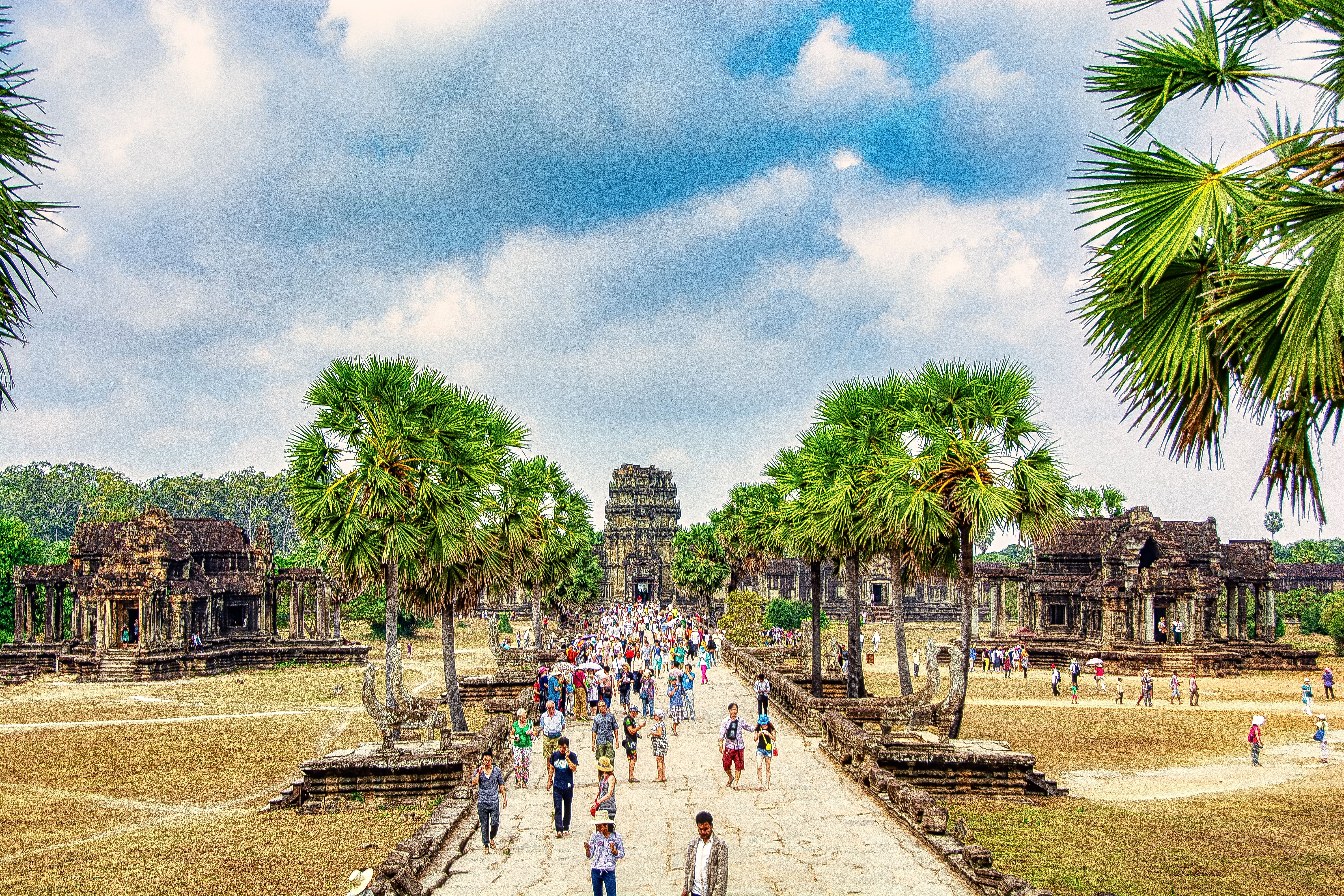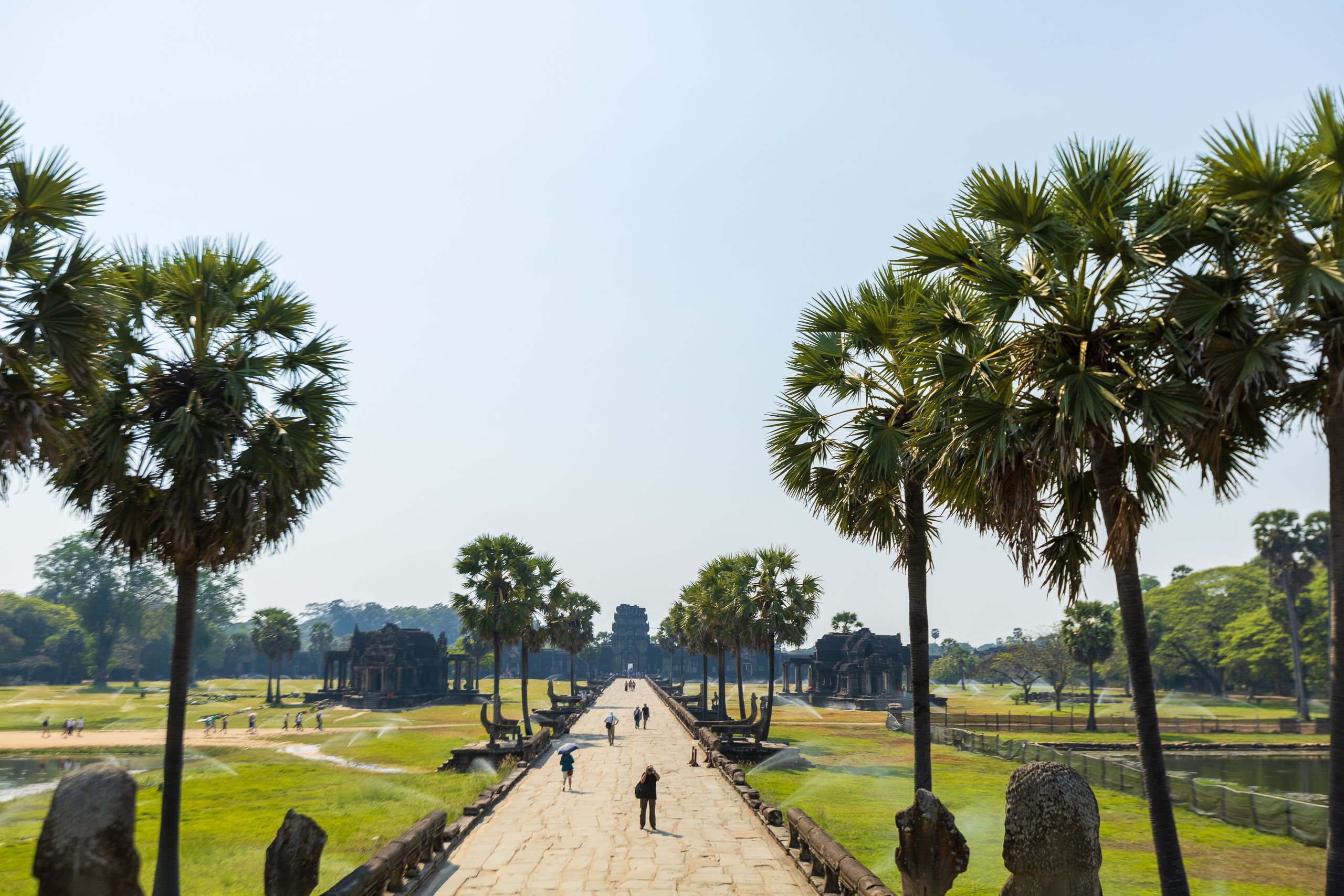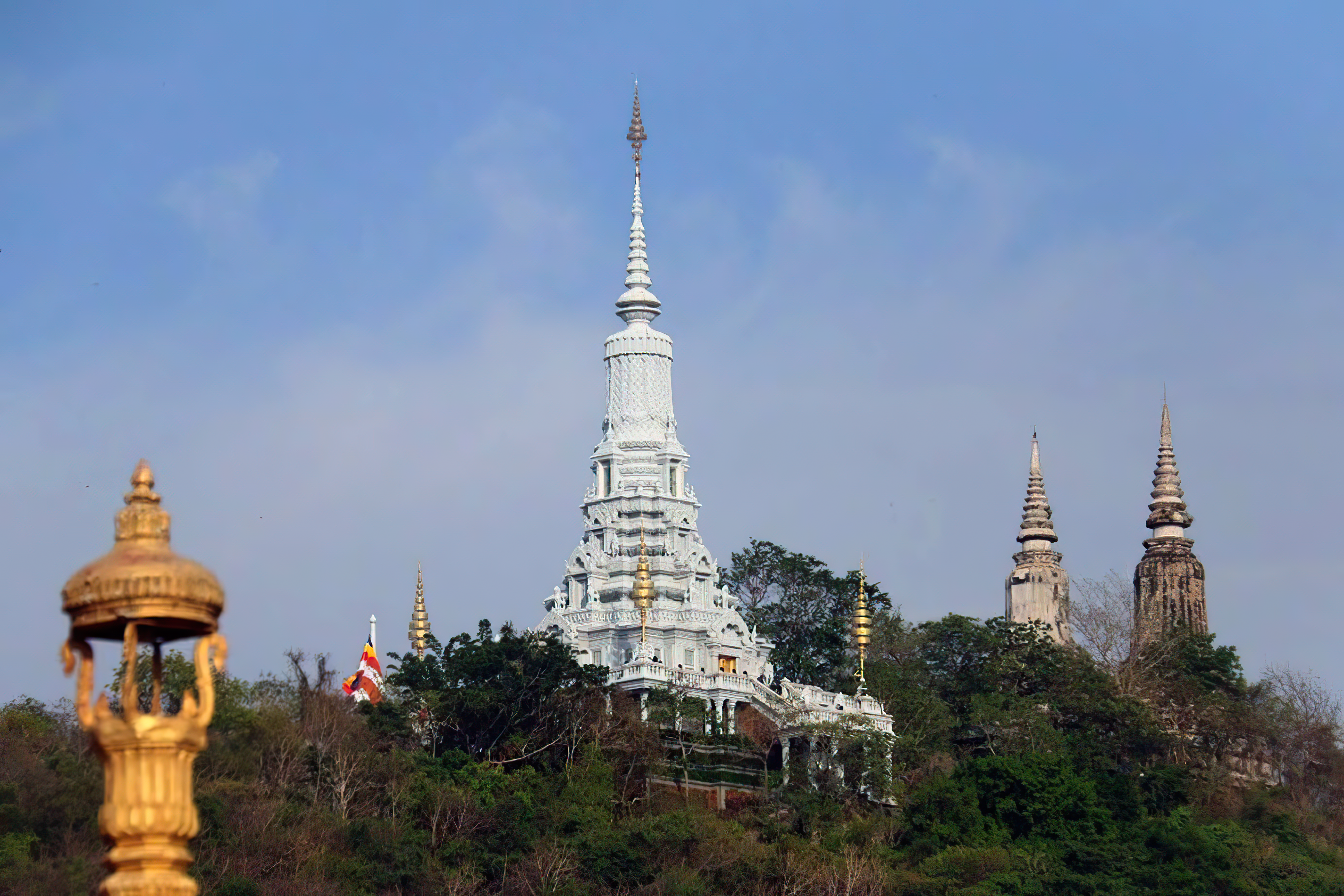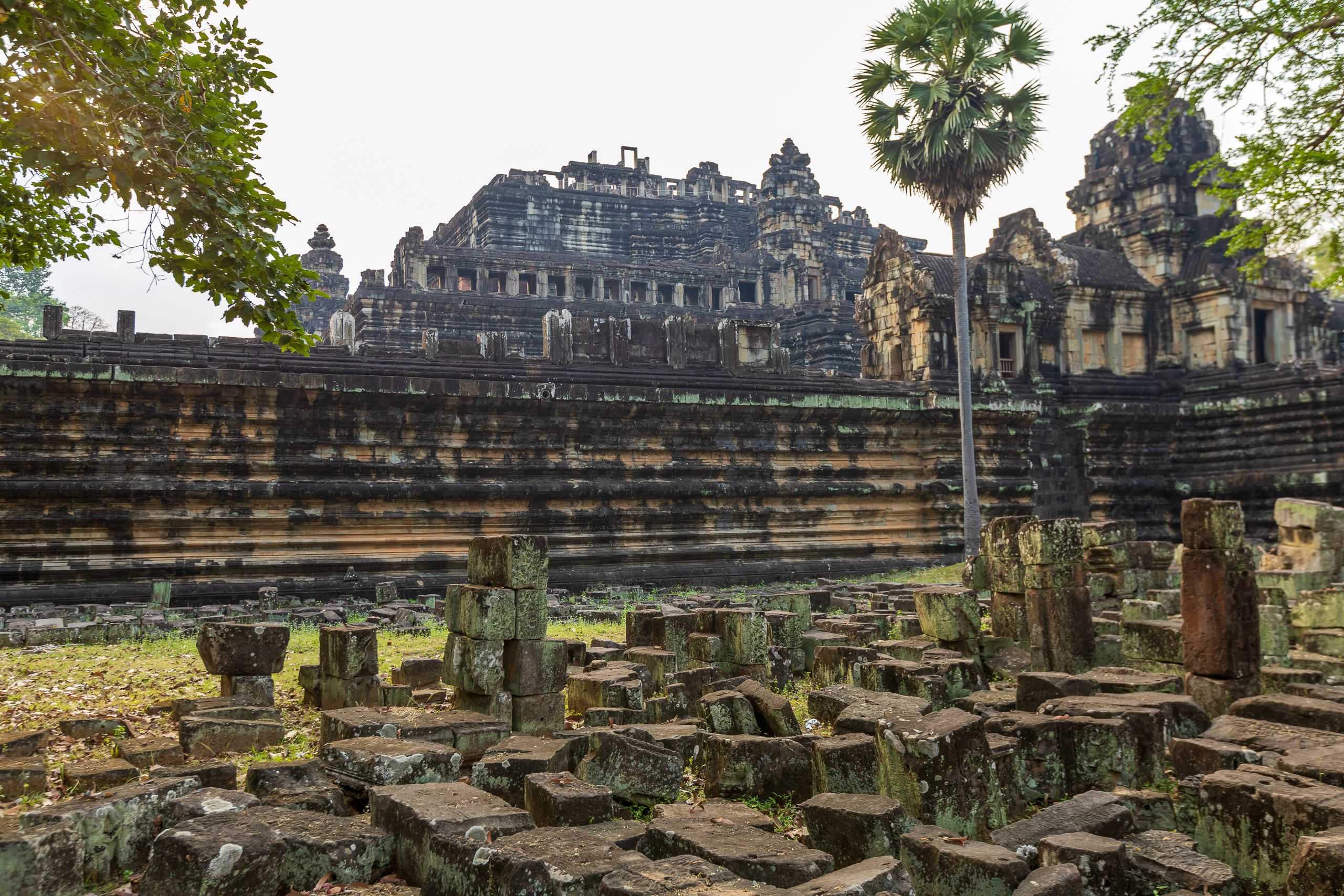
- Angkor Wat at its 13th-century peak housed 700,000 to 900,000 people, rivaling any medieval global metropolis in scale.
- The 1431 Siamese invasion long blamed for abandonment now appears to have followed decades of environmental and infrastructure decline.
- LiDAR mapping and sediment analysis reveal silted canals, prolonged drought, and monsoon disruptions weakened Angkor's water-dependent economy.
- Radiocarbon dating shows occupation persisted after 1431, contradicting the sudden-collapse theory and supporting gradual abandonment.
- Climate stress and shifting trade routes toward coastal centers slowly drained why Angkor Wat was important, not a single military blow.
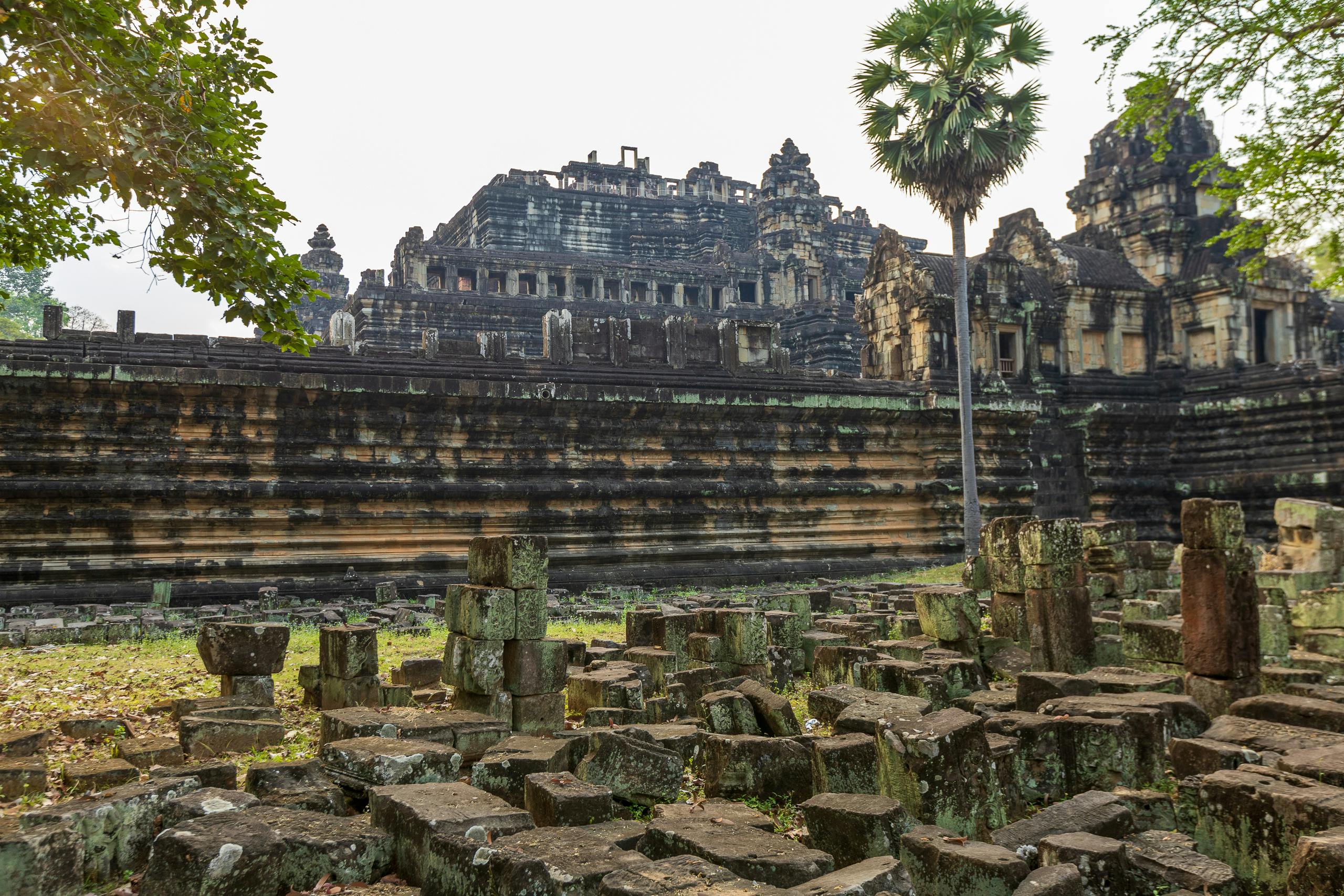
Angkor Wat dominated mainland Southeast Asia for six centuries as the beating heart of the Khmer Empire, but by the 15th century, this vast capital lay in ruins. At its peak in the 13th century, the greater Angkor region housed between 700,000 and 900,000 inhabitants, making it one of the largest pre-industrial cities on Earth. Yet the question of why was Angkor Wat abandoned remains contested among historians and archaeologists.
For decades, textbooks blamed a single catastrophe: the Siamese army's 1431 assault on the capital. Recent excavations and climate data tell a more complex story. Evidence now points to gradual environmental collapse, water system failure, and slow population decline rather than sudden sack. Understanding this shift reshapes how we read the fall of the Khmer Empire.
What Was Angkor Wat Before It Was Abandoned?
Angkor Wat sat at the heart of the Khmer Empire, founded around 802 AD by King Jayavarman II. For roughly six centuries, this capital pulsed with power, faith, and trade.
The city grew into one of the densest urban centers of the medieval world. Kings poured stone and labor into temples that doubled as statements of divine authority.
At its peak, Angkor commanded a region that stretched across much of mainland Southeast Asia. Understanding this grandeur explains why its later decline still puzzles historians.
Here is what defined the site during its golden age:
- The largest religious complex on Earth, covering around 400 acres within its outer walls
- An estimated population near one million people, making greater Angkor a sprawling metropolis
- The imperial capital of the Khmer Empire, seat of god-kings and Hindu, then Buddhist, worship
- A vast hydraulic network of reservoirs, canals, and moats that fed rice fields and tamed the monsoon
This water system set Angkor apart. Engineers built reservoirs called barays, some holding millions of cubic meters. The network stored monsoon rains and released them across dry months.
Rice harvests fed soldiers, priests, and builders alike. Wealth flowed from controlled water, not from gold alone.
The temple itself rose under King Suryavarman II in the early 12th century. Its five towers mirror Mount Meru, the home of the gods in Hindu cosmology.
Today Angkor Wat is a UNESCO World Heritage Site and Cambodia's leading tourist draw, sitting just north of Siem Reap.
Was Angkor Wat Abandoned Suddenly or Gradually?
Historians once told a clean story of one fatal year. Newer evidence complicates that timeline.
The traditional theory of a sudden collapse in 1431
For decades, scholars pointed to 1431 as the year Angkor fell. A Siamese army from Ayutthaya marched in, sacked the capital, and forced the Khmer court to flee south toward Phnom Penh.
This version framed the abandonment as a single shock. The city emptied, the temples fell silent, and the jungle moved in.
The year 1431 stands as the date most textbooks still cite for the fall of the Khmer Empire's capital.
What recent archaeology reveals about a slow decline?
Excavations led since 2010 with the APSARA authority paint a different picture. Researchers now describe a drawn-out unraveling that spanned several decades, not a single sacking.
The water network strained under shifting monsoons. Climate stress, silted canals, and trade routes drifting toward the coast slowly drained Angkor's advantage.
People did not vanish overnight. Evidence points to a thinning population that lingered around the temples long after the court had moved.
Several scientific methods now support this gradual model:
- Sediment analysis of baray floors, showing decades of flooding and drought damage
- LiDAR mapping that reveals abandoned canals, collapsed embankments, and reorganized settlement
- Radiocarbon dating of charcoal and pottery layers, stretching occupation past 1431
- Traces of residual habitation, including continued worship and small communities at Angkor Wat itself
This shift in understanding answers why Angkor Wat is important to modern archaeology. The site keeps rewriting its own history with each new survey.
How Did Trade With China Trigger the Decline of Angkor?
By the 13th century, Angkor sat inland, far from any coast. Maritime trade with China was booming, and ships needed harbors, not landlocked temples. That pull dragged the empire's economic center toward the coastal ports of the south.
The shift unfolded in stages, each one feeding the next.
- Sea trade with China surged, raising demand for ports that ocean vessels could reach directly.
- Southern river and coastal harbors gained value, since goods moved faster by water than over Angkor's roads.
- Merchants and labor drifted south toward these trading hubs, chasing income that Angkor could no longer match.
- The capital itself relocated, following the wealth and people toward the Mekong delta region.
This was a slow draining of advantage, not a single decision. Angkor's power had rested on rice and water, on harvests fed by its barays. Coastal commerce rewarded a different geography, one Angkor could not offer.
Chinese demand for Cambodian goods, including forest products and rice, flowed through the Mekong. The southern lands near Phnom Penh sat closer to that artery. Trade money moved south, and influence followed the money.
The seed of Phnom Penh's rise lies in this economic tilt. Once wealth concentrated along the river routes, the court had reason to follow. The 1431 sacking accelerated a move that trade had already set in motion.
This thread runs through all Angkor Wat history. The empire did not simply lose a battle. It lost the economic logic that had kept its capital inland for six centuries.
Did Religion Play a Role in the Fall of the Khmer Empire?
Faith shaped Angkor as much as water or trade did. A quiet religious shift reworked the meaning of its great temples, and with it the reason to keep building them.
From Hinduism to Theravada Buddhism
Angkor's spiritual core moved through three stages. Early kings worshipped Hindu gods, then Mahayana Buddhism gained ground, and by the 13th and 14th centuries Theravada Buddhism spread among ordinary people.
This new faith asked little of stone monuments. The grand Hindu temples, built to house gods and god-kings, lost their central place in daily worship.
The change reshaped how Khmer society valued its largest sites:
- Progressive abandonment of monumental Hindu temples, no longer needed for the new practice
- A shift in social values toward personal merit and modest wooden monasteries
- A sharp reduction in royal building projects, as kings stopped funding vast stone complexes
How belief change weakened imperial cohesion?
Theravada Buddhism placed less emphasis on the king as a living deity. Power once flowed from the god-king who anchored the temple-mountain. That spiritual glue loosened as monks and merit replaced divine kingship.
Without the god-king ideal, the justification for enormous public works faded. Each temple had announced a ruler's divine authority. The new faith no longer demanded such proof in carved sandstone.
Royal labor that once raised towers shifted toward simpler shrines. The state lost both the reason and the will to maintain Angkor's monumental scale.
As the temple-mountain cult faded, so did the incentive to maintain the vast Angkor complex, leaving its great monuments to weather and root.
Why Did Climate and Water Failures Empty Angkor Wat?
Climate may be the strongest single cause behind Angkor's emptying. Tree-ring records analyzed by Buckley and colleagues in PNAS reveal severe droughts across the 13th, 14th, and 15th centuries.
These droughts struck a city built entirely on controlled water. When the rains failed, the engineering that defined Angkor began to fail with them.
The damage cascaded through the whole system:
- Broken water supply chains, as reservoirs ran low and rice fields lost their lifeline
- Violent swings between drought and intense monsoons, alternating starvation with flooding
- Degraded canals and barays, choked by silt and torn apart when extreme rains overwhelmed embankments
Each failure compounded the last. Decades of weak monsoon left the barays half empty. Then sudden downpours blasted through dry channels, ripping out the dams meant to hold them.
The collapse of Angkor's sophisticated hydraulic network triggered a mass exodus, draining a metropolis that had once held close to one million people.
The infrastructure could not absorb such extremes. Engineers had designed the system for a steady monsoon, not for whiplash between two climates.
Mismanagement deepened the wound. As the court drifted south toward coastal trade, fewer hands remained to dredge canals or repair embankments. Maintenance lapsed exactly when the network needed it most.
A city of water cannot survive when its water fails. Rice harvests shrank, food security crumbled, and the population that depended on the barays had little reason to stay.
This climate stress did not act alone. It struck alongside the religious shift and the trade pull already drawing people away. Together these pressures made Angkor unsustainable.
Understanding this matters for why Angkor Wat is important today. The site offers a rare record of how a powerful civilization unraveled when its environment turned against its engineering.
The lesson endures in 2026. A capital can master nature for six centuries, then lose everything when the climate stops cooperating.
How Did Overpopulation and Elite Neglect Speed the Abandonment?
Pressure built from inside the city, not just from drought or distant ports. Two forces worked together: too many people, and too few hands at the top willing to maintain the system.
Congestion and the search for new land
Greater Angkor packed close to one million people into a finite footprint. Farmland near the core thinned as settlements spread across former rice fields. Families pushed outward, hunting fresh ground to live and grow food.
This sprawl strained everything the city depended on. Crowding turned a strength, density, into a slow liability.
Several pressures stacked on the urban core:
- Urban density that left little room for new housing or fields near the temples
- Strain on farmland, as growing demand outpaced what the barays could irrigate
- Local environmental damage, including deforested slopes and eroded canals feeding the reservoirs
When the ruling class stopped maintaining the city?
The elite turned their gaze toward the sea. Maritime trade with China promised faster wealth than dredging silted channels ever could. Court attention drifted south, and the hydraulic network slipped down the list of royal priorities.
Canals demanded constant labor: clearing silt, rebuilding embankments, holding back floods. As rulers chased commerce, that upkeep faded. The system that fed the city began to choke.
Without maintained canals, Angkor lost its buffer against drought, and a single failed monsoon could starve a city of a million.
How Did the Ayutthaya Invasions Finish Off Angkor?
The Siamese kingdom of Ayutthaya delivered the final blow to a weakened capital. Repeated invasions captured and plundered Angkor, pushing the Khmer court to relocate its power base toward Phnom Penh.
First Siamese occupation (1352-1357)
Ayutthaya's founder Uthong launched the first major assault on Angkor in 1352. His forces breached the city and installed Siamese governors over the Khmer heartland.
The Khmer king Soryavong eventually rallied resistance and reclaimed the capital. Angkor survived, but the wound exposed how vulnerable the inland city had become.
The early occupation unfolded in clear stages:
- Uthong of Ayutthaya invaded and besieged Angkor in 1352.
- Siamese forces captured the city and placed it under their control.
- Successive Siamese-appointed rulers governed the Khmer capital.
- Soryavong drove out the occupiers and restored Khmer rule by 1357.
Second Siamese occupation (1393-1394)
A generation later, King Ramesuan of Ayutthaya struck Angkor again. He installed his son Thomma Saok as a puppet ruler before the city fell into renewed turmoil.
Ponhea Yat later emerged as the Khmer leader facing this collapse. The second invasion stripped Angkor of treasure and skilled labor through systematic looting.
The damage left marks the empire never fully repaired:
- Military strength gutted by repeated defeats and lost manpower
- Royal prestige shattered as the capital fell twice within decades
- A retreat toward Srey Santhor, then a permanent move to Phnom Penh
Why 1431 became the symbolic end?
The 1431 sacking by Ayutthaya stands as the symbolic close of Angkor's reign. Yet the abandonment came in waves, each invasion peeling away people, wealth, and the will to rebuild.
Here is how the Siamese occupations compare across time:
| Period | Leaders involved | Outcome |
|---|---|---|
| 1352-1357 | Uthong, Soryavong | Capture, then Khmer recovery |
| 1393-1394 | Ramesuan, Thomma Saok, Ponhea Yat | Looting and lasting weakness |
| 1431 | Ayutthaya forces | Final sack, court moves south |
Why Does the Abandonment of Angkor Wat Still Matter Today?
No single cause emptied Angkor. Trade, faith, climate, crowding, neglect, and invasion pressed together until the metropolis could no longer hold. This layered story explains why the site still draws scholars and travelers alike.
The abandonment carries lessons that reach well beyond Cambodia:
- UNESCO World Heritage value, preserving the largest religious monument ever built
- A warning on climate resilience, showing how prolonged drought and violent monsoons broke Angkor's water system
- Engineering insight, revealing the limits of hydraulic mastery under climate stress
- Tourism and national identity, anchoring Khmer pride and Siem Reap's economy in 2026
Standing among these stones, the past feels close enough to touch. Travelers who want that proximity often choose a stay at Villa Agati near the Angkor gates, waking minutes from the temples themselves.
Angkor Wat was never fully abandoned: Buddhist monks have kept a living presence at the temple, in unbroken devotion, right through to today.
Frequently Asked Questions about why was angkor wat abandoned
Why was Angkor Wat abandoned?
Angkor Wat was abandoned due to a combination of environmental and infrastructure factors rather than a single catastrophic event. LiDAR mapping and sediment analysis reveal that prolonged drought, monsoon disruptions, and silted canals weakened Angkor's water-dependent economy. While the 1431 Siamese invasion is traditionally blamed for abandonment, recent evidence shows this military action followed decades of gradual decline. Radiocarbon dating confirms occupation persisted after 1431, indicating the city was abandoned slowly as climate stress and shifting trade routes toward coastal centers drained its importance and resources.
What caused the fall of the Khmer Empire and Angkor Wat?
The fall of the Khmer Empire resulted from multiple interconnected factors rather than a single cause. Climate stress disrupted the monsoon patterns essential for rice harvests and water management. The sophisticated canal and reservoir system that sustained a population of 700,000 to 900,000 people became silted and less effective. Trade routes shifted toward coastal centers, reducing Angkor's economic dominance. These environmental and economic pressures preceded the 1431 Siamese invasion, which occurred after the capital was already experiencing significant decline, not as the initial trigger for abandonment.
Why is Angkor Wat important to understanding medieval cities?
Angkor Wat represents one of the largest pre-industrial cities on Earth, rivaling any medieval global metropolis in scale with a peak population between 700,000 and 900,000 inhabitants in the 13th century. Its religious complex covers approximately 400 acres and stands as the largest religious monument ever built. Why Angkor Wat was important extends beyond its size: it demonstrates how sophisticated water management systems, agricultural innovation, and centralized urban planning sustained a major civilization. The site's decline offers crucial lessons about climate vulnerability, infrastructure dependency, and how environmental stress can destabilize even the most powerful empires.
What does Angkor Wat history reveal about sudden versus gradual collapse?
Angkor Wat history challenges the popular narrative of sudden collapse. Traditional accounts blamed the 1431 Siamese invasion for a quick abandonment, but modern archaeology reveals a more complex timeline. Radiocarbon dating shows people continued occupying Angkor after 1431, contradicting the sudden-collapse theory. Instead, evidence points to a gradual process spanning several decades, where environmental degradation, water system failure, and population thinning preceded and accelerated after the military conflict. This discovery fundamentally reshapes understanding of how major civilizations decline, showing that catastrophic collapse is often preceded by prolonged stress rather than singular events.
How did climate change affect why Angkor Wat was abandoned?
Climate change played a critical role in why Angkor Wat was abandoned through disrupted monsoon patterns and prolonged drought. The city's survival depended entirely on a sophisticated water management system that collected and distributed monsoon rainfall for irrigation and drinking. Sediment analysis reveals that changing rainfall patterns stressed this system, while LiDAR mapping shows canals became silted and less functional. Prolonged drought conditions weakened agricultural productivity, the economic foundation supporting the massive urban population. These climate pressures gradually eroded Angkor's ability to sustain itself, making the population vulnerable to other crises and contributing to the eventual shift of the Khmer capital toward coastal regions.
When did Angkor Wat history show the transition from the Khmer Empire's peak to decline?
Angkor Wat history shows its peak occurred in the 13th century when the city housed between 700,000 and 900,000 people. The temple itself was constructed under King Suryavarman II in the early 12th century. The transition to decline began gradually decades before 1431, driven by environmental stress and infrastructure failure rather than occurring suddenly at any single date. Evidence suggests the 15th-century abandonment was merely the final phase of a long process of deterioration. By the time the Siamese invasion occurred in 1431, the city was already significantly weakened, with the court eventually relocating south toward Phnom Penh. This gradual decline over several centuries distinguishes Angkor Wat's fate from typical military collapse narratives.